_2619.jpeg)

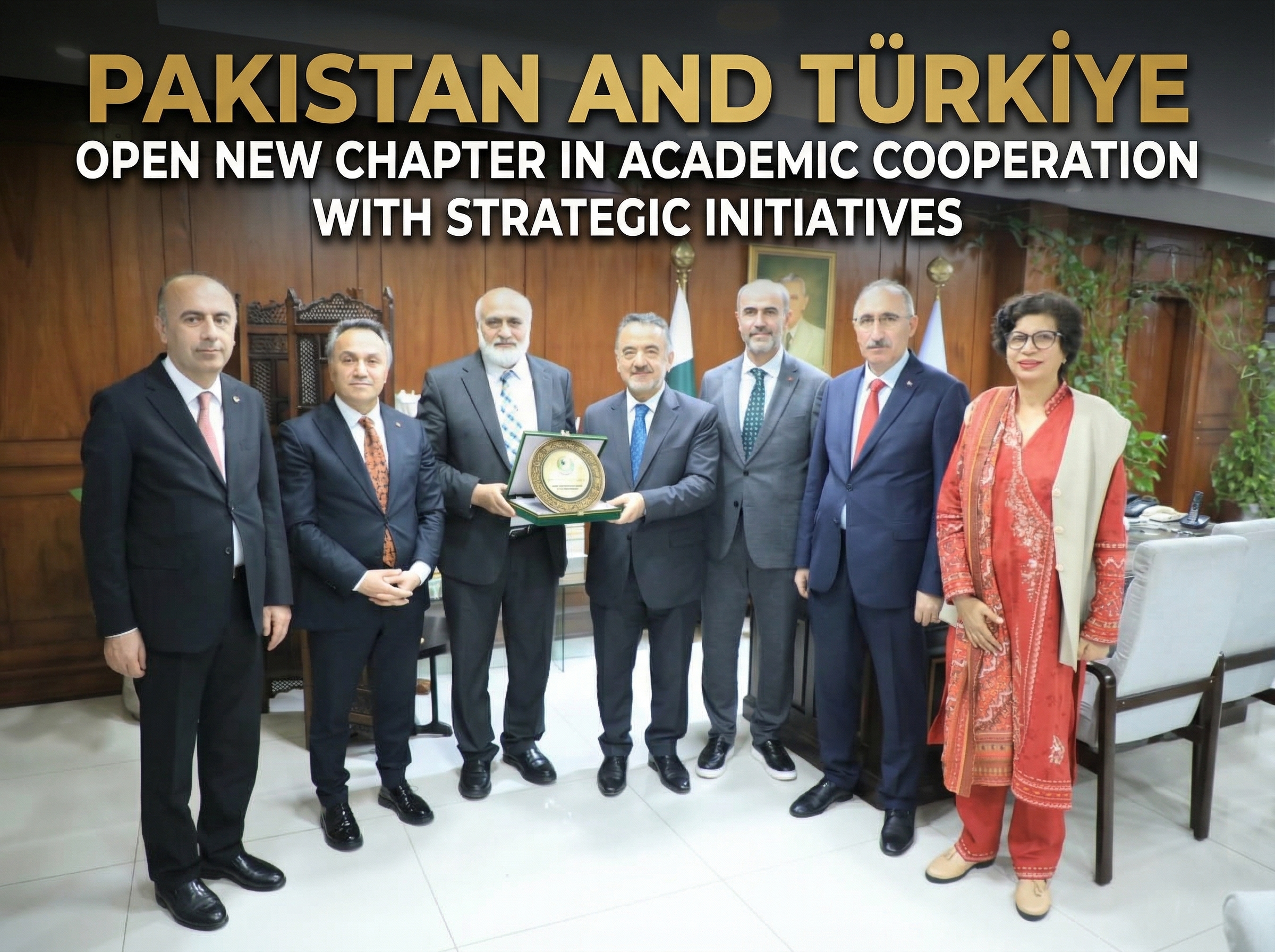
A quiet but consistent change is currently reshaping the geopolitics of the
region as Pakistan, Türkiye, and Saudi Arabia are enhancing their strategic
cooperation in various fields such as defense, trade, and diplomacy. At the
same time, more analysts are wondering if this newly formed partnership might
become a NATO-like alliance within the Muslim world, which (among other things)
would increase the security and collective influence of the nations involved in
the Middle East and South Asia.
A Growing Strategic Convergence. Not long ago, the three countries decided to
increase the frequency of their high-level diplomatic engagement and defense
collaboration. Pakistan and Türkiye have formally expanded their military
collaboration by initiating joint training programs, technology transfers, and
defense production agreements, among which Pakistan is especially keen on
obtaining Turkish drone and naval systems.
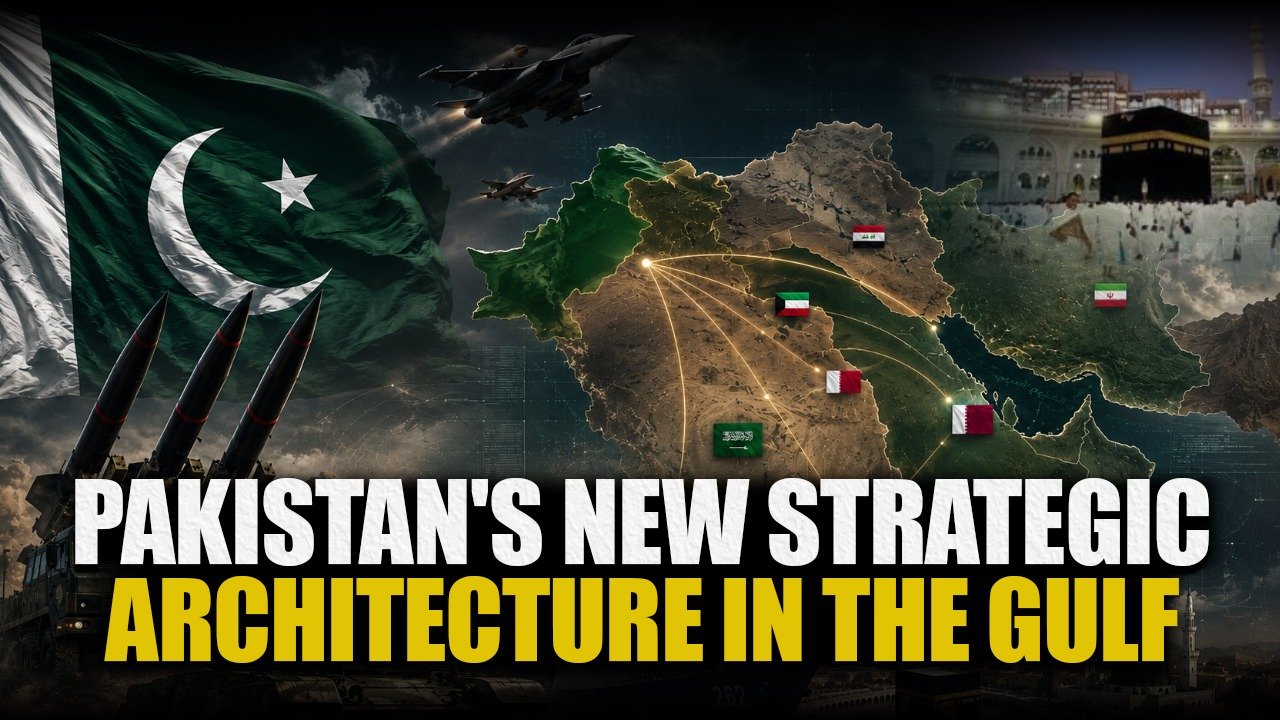
On the other hand, Saudi Arabia, which is generally expected to be a part of
the Western-led security system, is now, more than ever, emphasizing its
interest in close relations with the Muslim world. It is enough to mention the
Pakistan-Saudi Strategic Dialogue 2025 and the subsequent trilateral meeting in
Ankara to understand how deeply officials were involved in the discussion of regional stability,
counterterrorism, and defense industrial cooperation, officials were.
Economic and Energy Cooperation Besides the military sphere, the three
countries are also working on economic and energy connectivity initiatives.
Pakistan's Gwadar Port, Türkiye's logistics networks, and Saudi Arabia's Vision
2030 investments together might create a new route from the Arabian Gulf to
Europe through South Asia. Officials from all three countries hinted at a
possible cooperation in renewable energy projects, digital infrastructure, and
Islamic finance, which could further align their economic interests.
Experts agree that it would be wrong to call this Muslim NATO due to the
increasing cooperation. Even though the alliance is getting stronger, it
doesn't have the formal defense commitments and the institutional framework
that characterize NATO, commented Dr. Farah Jalal, a local security analyst
from Islamabad. Nevertheless, from a political and a symbolic point of view, it
marks a shift towards the Muslim world gaining more strategic autonomy.
Türkiye's ambitious regional policy under President Recep Tayyip Erdoğan,
Pakistan's strategic geographical location, and Saudi Arabia's financial muscle
complement each other perfectly, with each player bringing something different
to the table. The trio of countries is exposed to the same threats: volatility
in the neighborhood, great power rivalry, and the need for economic
diversification. By teaming up more closely, they would be in a position to
harmonize their efforts in fighting terrorism, carrying out peacekeeping
missions, and managing crises even on a shared basis.
Nevertheless, if they keep having different stances on foreign policy, particularly
when it comes to Iran, Syria, and relations with the West, they will not be
able to achieve a very high level of integration in the short run. The emerging
tripartite partnership is, for many observers, a manifestation of a wider wish
from the Muslim world to find new ways of working together beyond just the talk
and to establish concrete institutional frameworks for joint progress.
The Islamabad Center for Peace and Education expresses its pleasure over the growing collaboration between Pakistan, Türkiye, and Saudi Arabia, which is a right step for the regional stability and Muslim unity. Such partnerships depict a common dream of peace, economic development, and overall advancement of the Islamic world. Increased trust and cooperation among the three countries would be the cornerstones of a more balanced, self-sufficient, and peaceful regional order.
By : Asif Ali Sundhu
_6784.jpg)