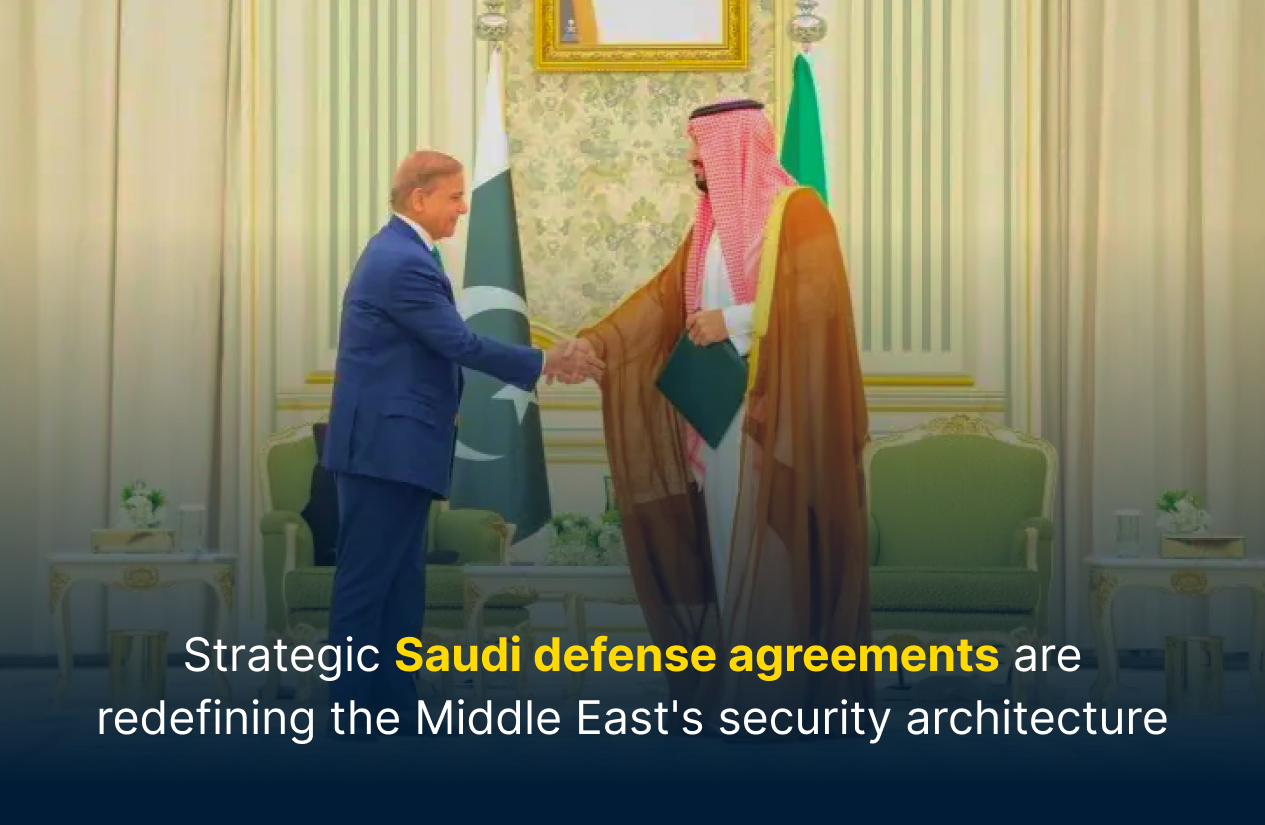

The Middle East is the scene of a growing political and diplomatic race signifying a move towards increasing regional coordination and strategic independence. High-level interactions between the key Muslim-majority countries in recent weeks point to increasing attempts at tackling common security concerns through cooperation rather than confrontation. Last week, Saudi Foreign Minister Prince Faisal bin Farhan met his Egyptian counterpart Badr Abdelatty at the World Economic Forum in Davos, Switzerland. “Draft agreement on military cooperation between Saudi Arabia and Egypt, a paving stone in their common interests,” Ayoon Wa Azan reported on its website Thursday. “Military, political power to challenge adversaries.” The meeting came amid “the increasingly political and strategic dialogue between the two Arab countries,” the statement read.
Negotiations would have presumably touched on the US-backed “Board of Peace initiative, a regional format also already endorsed by Saudi Arabia and Egypt, as well as advancing the two countries' defense relationship, diplomats said. These developments are symptomatic of a collective desire to promote regional stability by means of structured multilateral processes. Exacerbating the trend, Somali President Hassan Sheikh Mohamud is set to travel to Saudi Arabia in the next few days to sign a defense cooperation agreement with Riyadh. Were Somalia to be formally enshrined in an extended Saudi-Egyptian security architecture, a trilateral relationship for coordination on the Bab al-Mandeb Strait— one of the most important of all global shipping chokepoints could greatly increase. The strait connects the Red Sea to the Gulf of Aden and the Indian Ocean, making it critical for global trade and energy supplies.
Increasing Interest in Greater Muslim Majority Collaboration
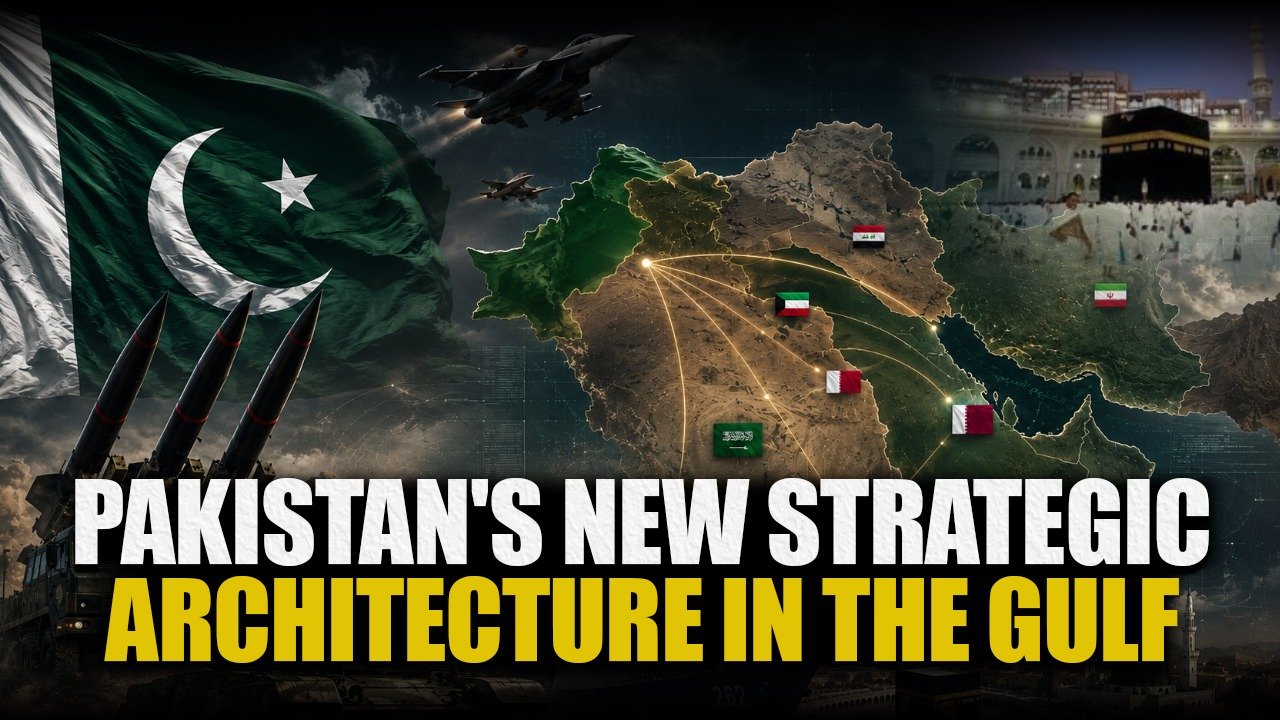
Turkey has also shown growing interest in participating in a strategic
defense framework already inked by Saudi Arabia and Pakistan last September, it
is also reported. Informally, some analysts have started calling the nascent network
an “Islamic NATO,” comparing it to collective security systems like those
espoused by NATO. If broadened, such a collaboration might merge Pakistan’s
nuclear deterrent and experience on peacekeeping, Saudi Arabia’s deep pockets
and diplomatic reach, and Türkiye’s modern military. That would mark an
unprecedented level of coordination between Muslim-majority countries, from the
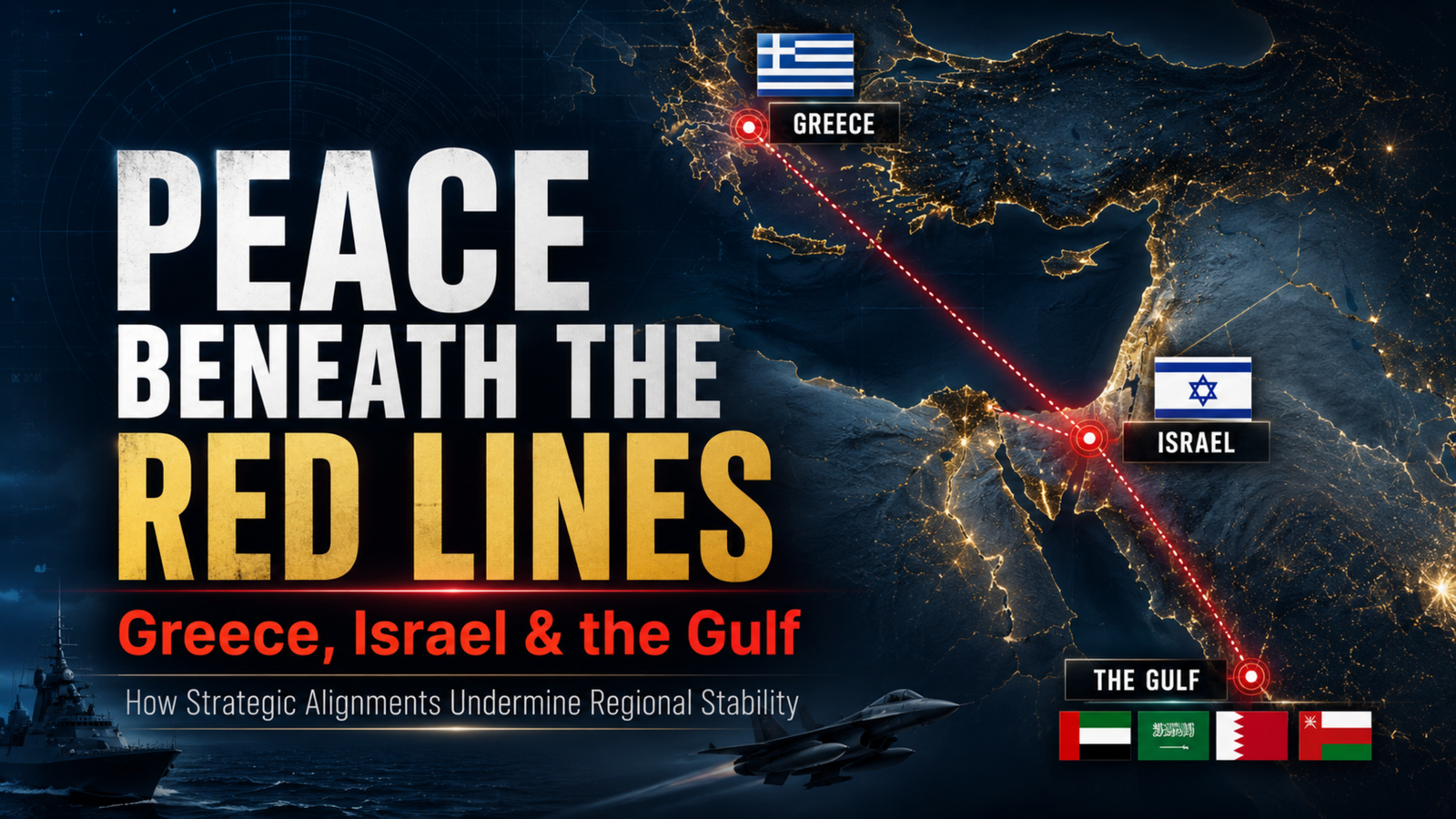
Eastern Mediterranean to the Red Sea and Indian Ocean, experts say. "If
Israel and the Gulf Arabs are indeed moving to such an alignment, then it is
symbolic, as it would create a single regional security axis comprising Israeli
war-making capabilities with strategic waterways and defense of ideological
reaches projected across the Arab-Islamic world," wrote Italian geopolitical
analyst Sergio Rastelli earlier this year. He claimed that this might rearrange
current power structures and promote more regional self-sufficiency.
The Shifting Global Dynamics and Strategic Autonomy
Analysts stress that these changing defense partnerships are not intended to
challenge anyone, but rather are a response to shifting security dynamics
across the world. The Gulf states are coming to realize the end of being able
to count on such external security guarantees, argues Sami Hamdi, Managing
Director of British risk and intelligence company The International Interest. Past
episodes, including strikes against Saudi
energy installations and regional escalations that elicited muted responses
from the rest of the world, also underscored a desire for broader security
ties. Simultaneously, countries like the U.A.E. are also looking to expand
their strategic relationships, having recently concluded wide-ranging covenants
with India, reiterating a multipolar foreign policy outreach. While there are some
disagreements between actors in the region, many of those who study it closely
say these rounds of developments by no means suggest major rifts within the
Gulf—or the larger Muslim world. Rather, they are pragmatic measures aimed at
reinforcing resilience, technology collaboration, and regional coordination, all whilst maintaining constructive relations with global partners, including
the United States.
Islamabad Centre for Peace and Education: The Glass is Half Full
The evolving defense and diplomatic initiatives are looked upon as positive by the Islamabad Center for Peace and Education (ICPE). In its statement, it stated that increased cooperation among Muslim-majority states that is based on international law, transparency, and multilateral dialogue can be a positive force for regional and global stability. ICPE said such collaborations should be considered as opportunities to enhance collective security, secure strategic trade lines, and avoid conflict through coordination rather than competition. The CPGSSR also added that Pakistan’s background in peacekeeping and diplomacy makes it the perfect candidate for supporting frameworks that focus on stability, progress, and harmonious living. “Relations among states require countries to work together, not compete against one another,” ICPE said in a statement. “When states come together to build security and self-reliance, they create room for dialogue, economic growth, and far less fragility,” he said. Emerging Alliances in the Muddle of Mission Zero. As diplomatic engagement between regional powers persists, these informal alliances may be a modest but positive step towards a more balanced, cooperative, and peaceful regional order.
_6784.jpg)