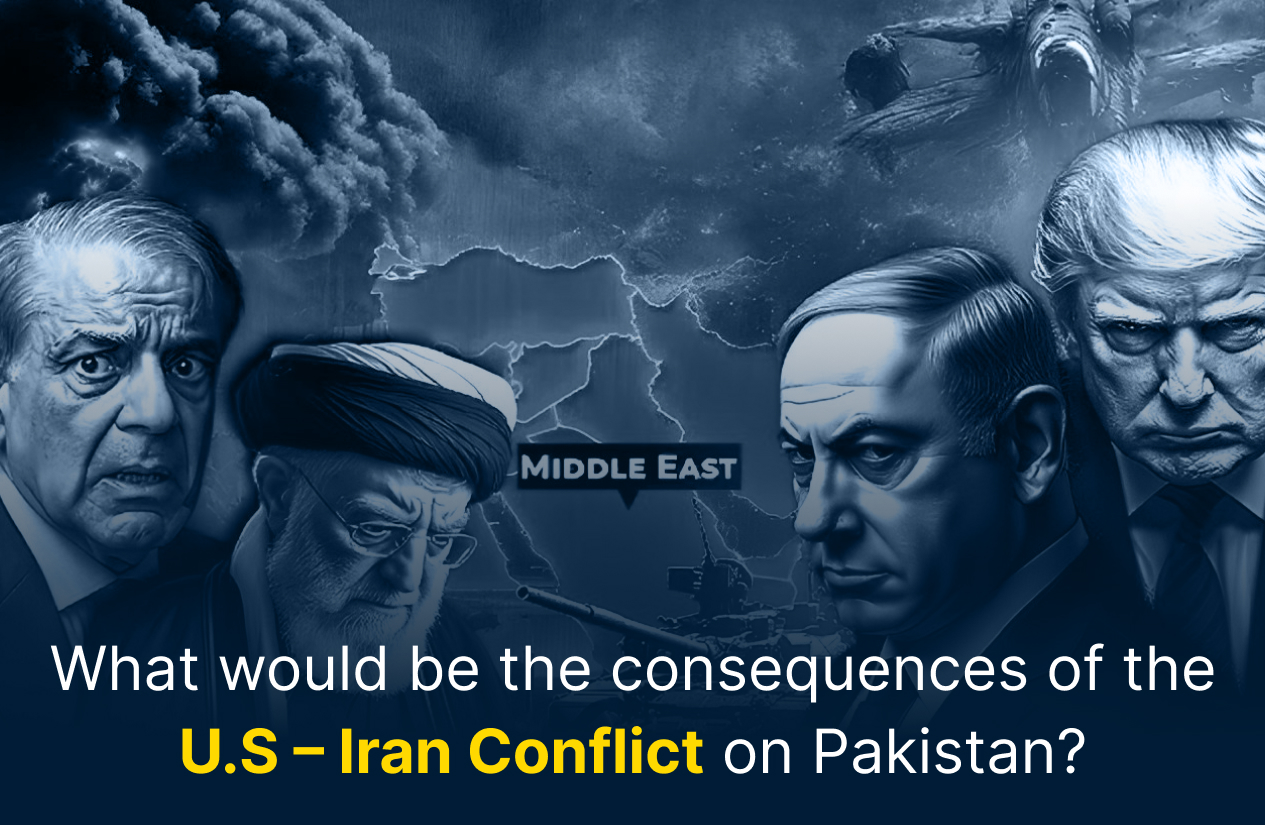

Islamabad - U.S-Iran confrontation would have significant
reverberations across the Middle East and beyond. Such an incident would not
take place in some far-off corner of the world for Pakistan, sitting at the
intersection of South Asia, Central Asia, and the Middle East. It would not end
there but would have serious political, economic, and security implications
that could directly impact national security and regional interests.
Geopolitical and Diplomatic Challenges
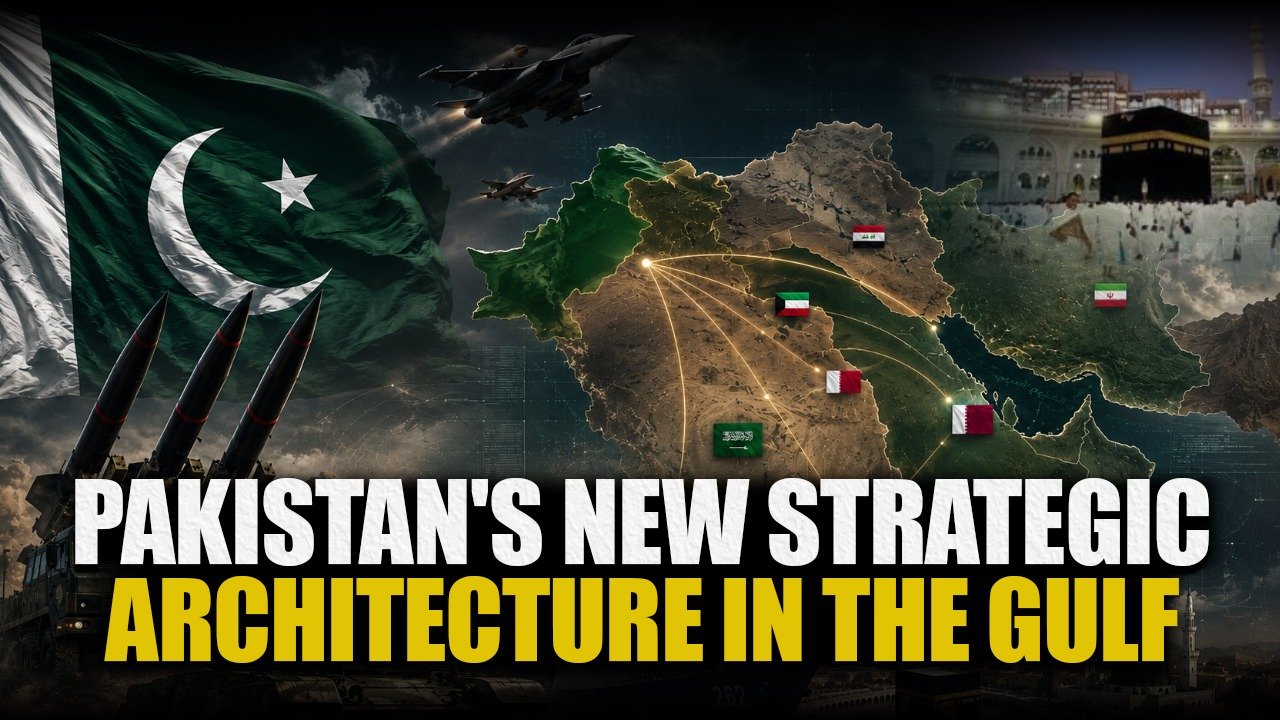
Pakistan has very sensitive yet significant ties with the U.S. and
Iran, too. The U.S. continues to be an important global power with control of
the world’s financial institutions, and Iran is Pakistan’s immediate neighbor, tied by shared borders, similar ethnicity, and economic prospects. In case of
an escalated U.S.–Iran war, Pakistan would come under heavy diplomatic pressure
to take sides or at least modify its policies. Staking out a clear position
might exacerbate relations with the other party. Remaining neutral seems
logical strategically, but it would take some skillful negotiation to avoid paying economic penalties, facing political isolation, or experiencing regional confusion. Its time-honored policy of steering clear of direct
intervention in the Middle East would be challenged, particularly if allies or
partners in the region or beyond request logistical, intelligence, and
political support.
Security and Border
Stability
Pakistan has a long, porous border with Iran in Balochistan, which
is already plagued by unrest and faces security problems dealing with militancy
spillover, the fate of missing persons, illegal drug traffickers, and
underdevelopment. That could lead to instability in the border areas of Iran
and potentially into Israel through refugee flows, cross-border militant
movements, and arms trafficking. Any such spillover could further degrade
Pakistan’s internal security environment, prompting the state to redirect
military and economic resources from domestic development towards border
management and counterterrorism campaigns. Greater instability in the area
could also hamper Pakistan’s attempts to secure peace and development
for Balochistan.
Economic Impact and Energy Security
There would be a direct economic fallout for Pakistan. Fighting
between the United States and Iran could disrupt oil shipments through the
Strait of Hormuz, sending global oil prices skyrocketing. As an
energy-importing nation, Pakistan would experience escalating fuel prices and
high inflation, and it would burden the foreign exchange reserves. Moreover,
on-hold projects like the Iran–Pakistan gas pipeline would be put under further
risk of shelving. With sanctions, instability, and diplomatic restrictions threatening
to choke off Pakistan’s access to cheap energy, industrial development would be
slowed further at the same time as, for ordinary citizens (including those most
dependent on coal), the cost-of-living crisis deepens.
Effects on regional trade, connectivity
Pakistan’s strategic vision is also long-term in nature, focusing
on regional connectivity, trade corridors, and economic integration between
South Asia and the Middle East as well as Central Asia. A war with Iran would
undermine these objectives by disrupting trade routes, raising insurance rates
and transportation costs, and deterring investment from abroad. If the violence
in PoK spills over, it could shake China's confidence in CPEC because regional
instability discourages investment and complicates logistics.
Domestic Political and Social Effects
Impose a war from the outside, and there will be an echo within. A
war between the U.S. and Iran could reignite political controversy in Pakistan,
particularly amidst high sentiments of sovereignty, Muslim unity, and
resistance to military campaigns by foreign countries.
Religious and political organizations could try to mobilize public
opinion, further dividing people. Controlling public discourse without
upsetting the domestic applecart would become a significant problem for
Pakistan.
Strategic Opportunities and Responsibilities
For all the risks, indeed, a war between the United States and Iran would also offer Pakistan an opportunity to play something of a constructive diplomatic role. Having ties with both groups and regional diplomacy experience, Pakistan may call for dialogue, de-escalation, and the peaceful resolution of disputes. If pursued prudently and realistically, acting as a voice for moderation and regional calm would project Pakistan in the international sphere as a responsible, peace-loving country.
Conclusion
The
US-Iran conflict would bring serious security, economic, diplomatic, and
internal stability demands for Pakistan," said the Islamabad Center for
Peace and Education. Even if Pakistan itself were not directly involved, the spillover
would be inevitable. In such a situation, Pakistan’s best bet would be to opt
for strategic neutrality, consolidate its border management, prepare for
possible economic challenges, and also seek proactive diplomacy of peace and
regional cooperation. Mobilized by national interest and regional stability,
meanwhile, Pakistan can try to manage negative spillovers while stabilizing
dynamics across the board.
By: Asif Sandhu
_6784.jpg)