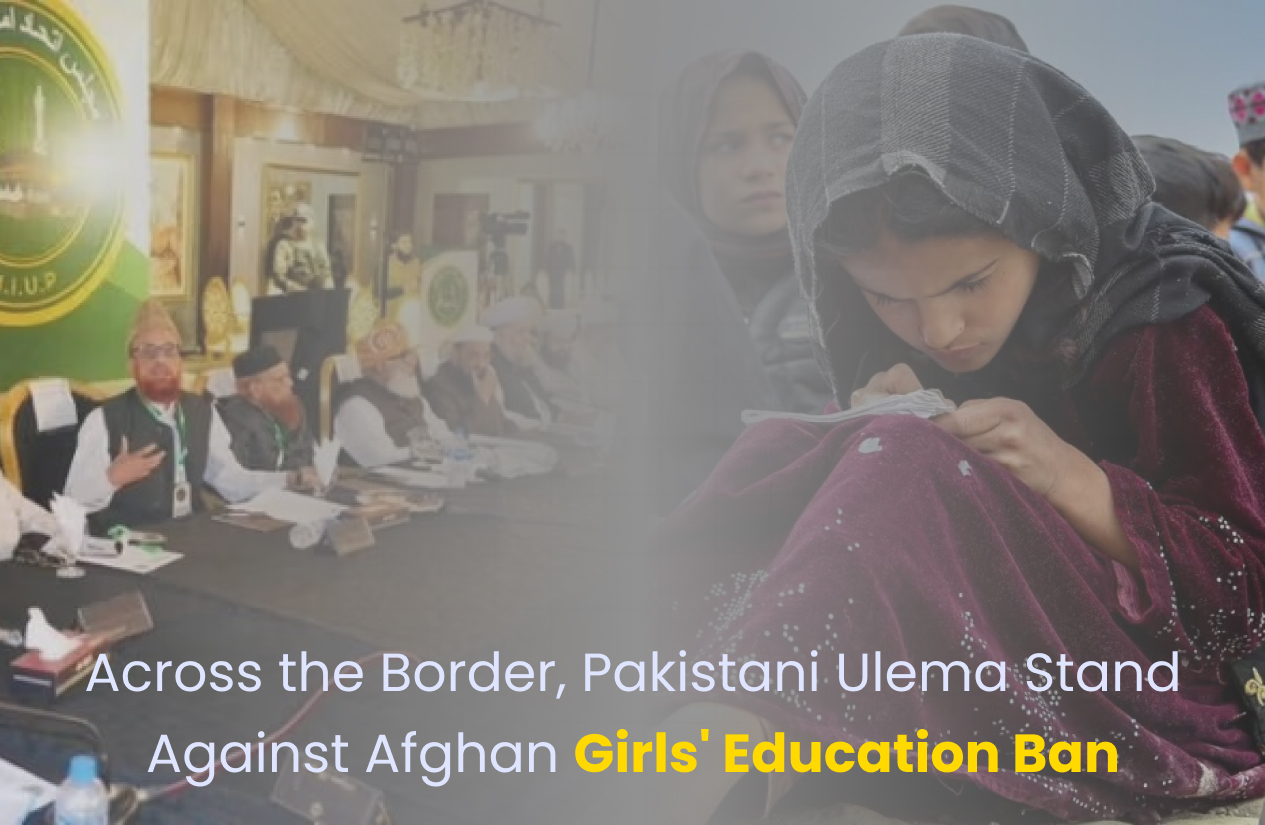
Karachi, December 23, 2025: A faction of leading scholars from Pakistan has condemned the education ban imposed on girls in Afghanistan, calling it illogical and opposing it since it is against the principles of Islam. The group asked the interim administration in Afghanistan to open educational institutions for girls.
Religious convention was held at Karachi with the agenda of Jamiat Ulema-e-Islam (JUI), which was presided over by renowned Pakistani politician and religious person Maulana Fazlur Rehman. Acording to an official press release, religious scholars have clarified in the convention with consensus that denying education to girls is not an Islamic practice as it violates the Islamic zeal for knowledge.
Scholars have warned that the denial of education to girls not only harms Afghan society but also puts the future at stake because it has affected the position of Afghanistan in the international community. Scholars have asked the Afghan government in Kabul to reconsider their policies in order to allow girls in Afghanistān to receive education.
Ever since the Taliban regained power in 2021, girls in Afghanistan have not been allowed to attend educational institutions beyond the sixth standard, nor have they been allowed to pursue higher education. The Taliban administration says this is only a temporary arrangement pending the fulfillment of their definition of Islamic Sharia norms.
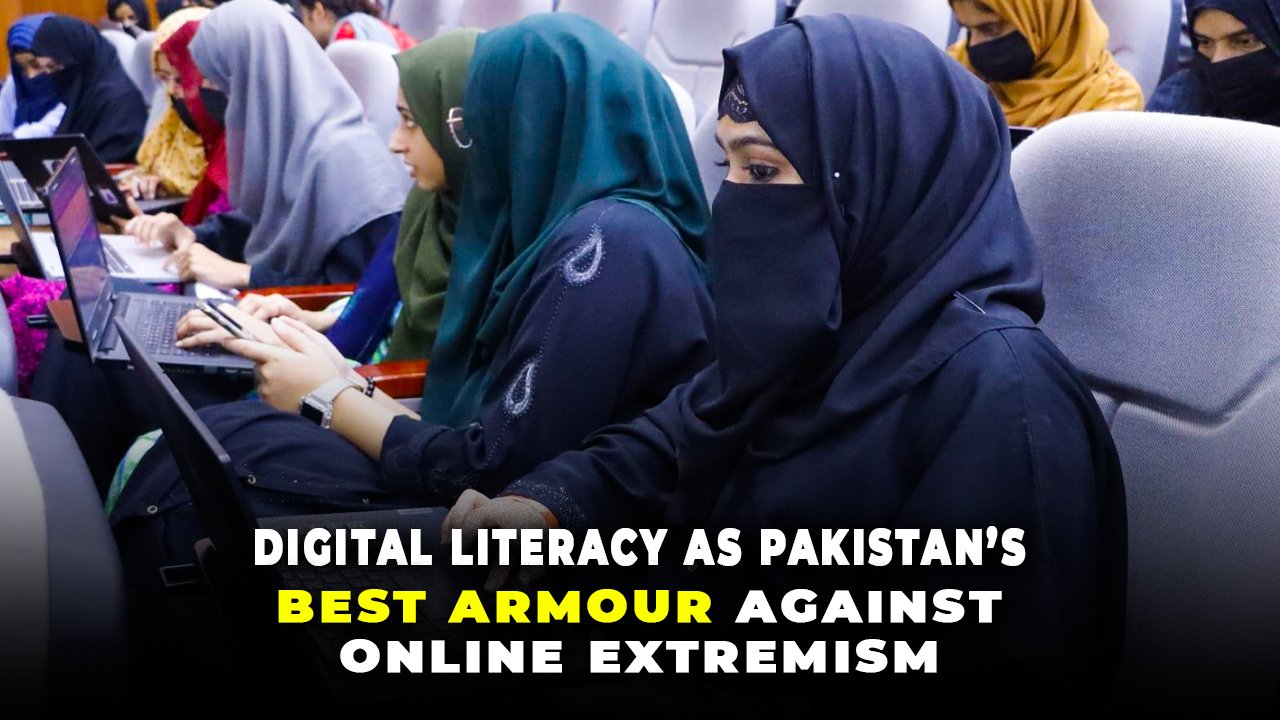
However, humanitarian organizations state that the aftermath has been severe. UNESCO states that in Afghanistan, approximately 1.4 million Afghan girls systematically lack education at the secondary and higher levels, as Afghanistan has an exclusive prohibition on education in the country’s schools for girls. Many Afghan girls and women have expressed frustration with such restrictions. We are ready to obey Islamic dress and practices,” declared the students, “but we also have the right to attend secondary and higher education institutions.
Pakistani clerics also emphasized the importance of education under Islam and stated that it was obligatory for both men and women to seek knowledge. They also dismissed the notion that the restriction was justified from an Islamic religious standpoint.
The scholars further explained that the denial of education among the girl child impedes social development as well as peace building efforts in the Middle Eastern and Afghanistan regions.
Security and Regional Stability Issues
Education, however, was not the only aspect that was criticized by the religious scholars. They also expressed concern over the use of Afghan land and territory for any kind of militancy. They were opposed to the militancy taking place along the lines of Afghanistan and Pakistan and especially from Tehreek-e-Taliban Pakistan.
The concerns have been echoed by the political parties in the Pakistani province of Khyber Pakhtunkhwa, who have reiterated the need for renewed diplomacy with Kabul, the reopening of border crossings, and the resumption of trade across the border.
Global agencies such as UNESCO and the United Nations are warning of a severe erosion of the human capital of Afghanistan if the restrictions are maintained. Conclusion Religious scholars in the Pakistani community have strongly and consistently opposed the Afghan government's policy of denying girls' education, claiming that the decision has nothing to do with Islam and counteracts the aims of peace and progress. It can be considered an affront to the Afghan government's Islamic background to deny girls the right to education, which has continued to prevent the country from developing socially and reintegrating into the international community along with the Middle Eastern and South Asian regions.
In a brief response, Islamabad Center for Peace and Education appreciated the position adopted by the Pakistani religious leaders, terming it “a crucial moral and intellectual intervention.” Education is a building block for peace and sustainable development," according to the center. "Inhibiting girls’ access to education is a violation of basic human rights and also a barrier to a harmonious society, a restored economy, and a stable future. Reopening girls’ schools, in my view from an Islamic, humanitarian, and strategic standpoint, is a basic need for a better future for Afghanistan.
By : Asif Ali
asifsundu.pk@gmail.com
_6784.jpg)