Top Stories
Building Bridges Through Words Understanding Militant Ideologies in Modern Contexts Security: Beyond Walls and Weapons Upcoming Events: Connecting Ideas and People Previous Milestones: Reflecting on Our Journey Fatwas: Reclaiming the Spirit of Ethical Guidance Role of NATO in Conflict Resolution Washington Peace Deal Between Congo and Rwanda Social Justice and Equality in the Qur’ān: Implications for Global Peace The Qurʾānic Concept of Human Equality: An Analysis against Racism and Ethnic Discrimination in Contemporary Societies Reinterpreting Dhimmitude: A Reconsideration of Its Social and Political Functions in the Modern Context How China Is Playing the Long Economic War Ukraine Peace Efforts Advance Cautiously Despite Partial Alignment Among Parties How Pakistan-Libya Military Relations Strategic Outreach, Economic Stakes and Geopolitical Implications Aleppo Clashes as Syria and Kurdish-Led SDF Agree to Ceasefire Across the Border, Pakistani Ulema Stand Against Afghan Girls\' Education Ban Pakistan announce 500 fully-funded scholarships for Bangladeshi students in 8 programs How theTaliban regime threat for reginal peace Women Left Behind in Khyber Pakhtunkhwa’s Education System Sudan’s Civil War: Anatomy of the World’s Largest Humanitarian Crisis Changing Security Architecture in Central Asia Pakistan Leads India on Economic and Peace Indicators in 2026 : Gallup Survey Submerged Classrooms, Long-Term Learning Loss Pakistan Security Report 2025: Terrorism Trends and the Peace Deficit HEC’s MAKTAB Initiative Signals a New Era for Higher Education Southern Yemen Faces Tensions and Urgent Need for Peace IUT Strengthens Education Integrity in Bangladesh Pakistan’s Arms Sales Contracts (2024–25) and the Peace Dimension Pakistan\'s Contribution to UN Peacekeeping Operations for Global Peace Pakistan Enhances Educational Cooperation with Sri Lanka through Scholarship The Growing Defense and Economic Nexus of the Muslim World Charter of Trump’s Board of Peace Pakistan & Myanmar Prioritize Education Strategic Saudi defense agreements are redefining the Middle East\'s security architecture What would be the consequences of the U.S.–Iran Conflict on Pakistan? How Indian Cricket Politics Affect Regional Peace The Kashmir issue remains a central peace and stability in South Asia American Weapons in Afghanistan Are Destabilizing Pakistan Global Education Coalition sixth annual meeting A New Chapter for Pakistan’s Universities: Leadership, Stability, and Vision under the New HEC Chairman The Evolution of the IMCTC into a Global Security Pillar Reintegration Initiative: Analyzing the 2026 IMCTC Engagement in Pakistan Psychosocial Warfare and the IMCTC Peace Journalists Initiative (2026) The Concept of ‘Ummah’ in the Qurʾān: Transcending Race, Tribe, and Ethnicity HEC Reforms Regulation, Defends Academic Freedom Pakistan’s Evolving Role in Fostering Peace and Security on the African Continent Recontextualizing Pakistan’s Role in the Board of Peace War in the Middle East: Measuring the Cost The Silent Bridge: Pakistan’s Strategic Neutrality and the Quest for Middle Eastern Stability The Geography of Escalation: Living in an Age of Permanent Crisis Mapping the Educational Crisis in the Middle East Conflict The Blind Alley of “Epic Fury”; A War with no End game A Pakistani Voice Against Digital Islamophobia: A Landmark Academic Contribution World Eye on Pakistan for Middle East Peace Leading with Truth, ICEP’s Analysis Outlasted the Skeptics on Middle East Crisis World Powers Push for Deal U.S. Presents 15-Point Plan and Iran Responds with 5 Conditions

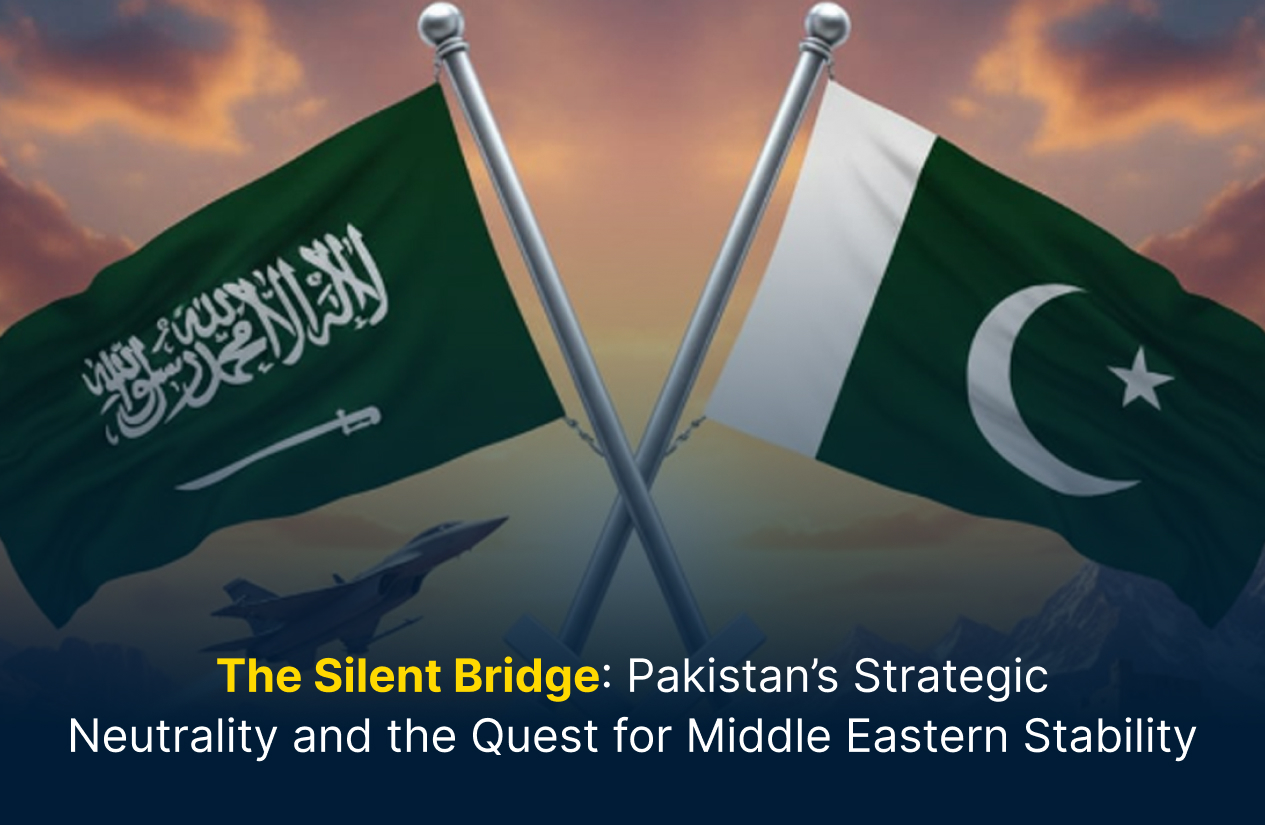
The Silent Bridge: Pakistan’s Strategic Neutrality and the Quest for Middle Eastern Stability

As the Middle East navigates its most volatile period in decades, the global community is increasingly looking toward credible mediators to prevent a wider conflagration. While various powers have taken sides in the recent direct conflicts, Pakistan has reinforced its historical identity as a Peace Actor. Leveraging a unique blend of military credibility, religious affinity, and a track record of principled mediation, Islamabad is currently playing a pivotal role in managing the fragile balance between the United States, Iran, and the Gulf states.

A Legacy of Mediation: Bridging the US-Iran Divide

Pakistan’s role as a conduit between Washington and Tehran is not a new development, but a long-standing diplomatic tradition. In previous decades, and notably during the heightened tensions of 2024, Pakistan facilitated secret backchannel communications. Following these successful interventions, the Iranian Parliament (Majlis) famously applauded Pakistan’s balanced role, recognizing it as a neighbor that values stability over regional rivalry.

In the wake of recent escalation, Pakistan’s Foreign Office has remained one of the few channels through which the US and the new Iranian leadership continue to exchange messages. By offering Islamabad as a neutral venue for future talks, Pakistan is attempting to repeat its historic success in cooling down a boiling conflict through quiet, persistent diplomacy.

The Pak-Saudi-Iran Triangle

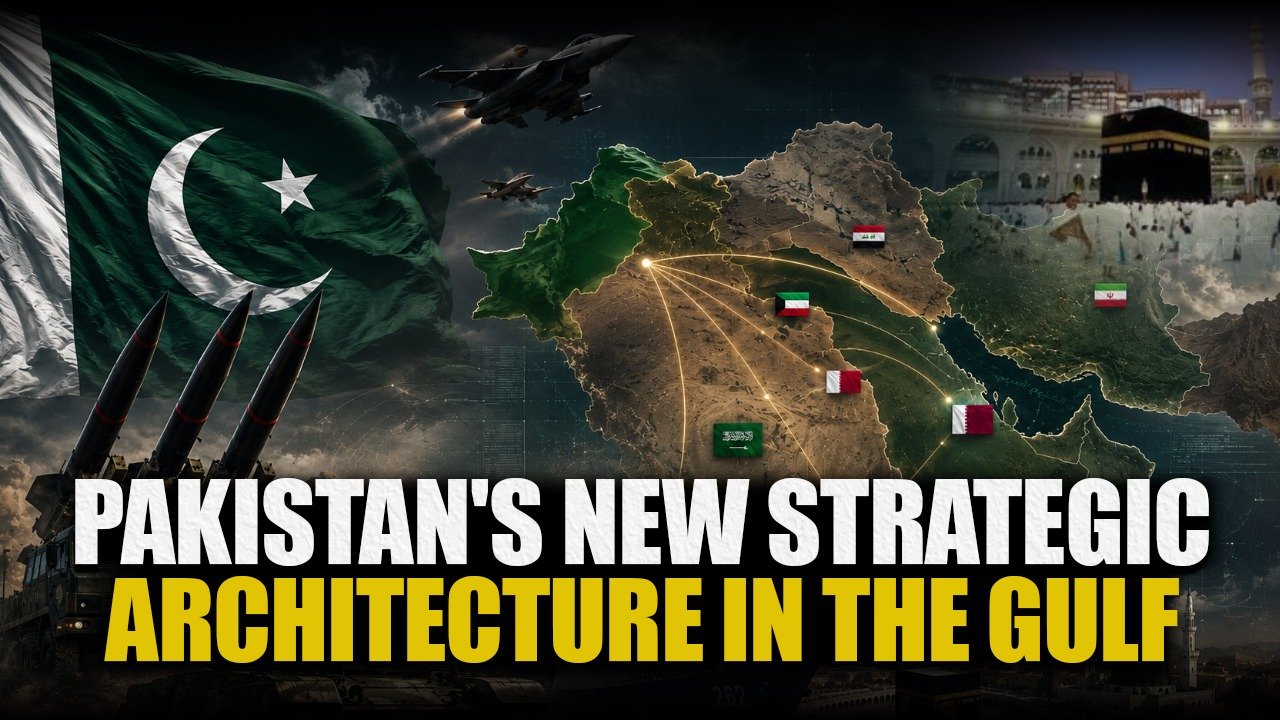
One of the most remarkable outcomes of the recent hostilities is the relative calm maintained along the Saudi-Iranian border, even as other nations like the UAE and Bahrain faced direct strikes. In a Parliament session on March 3, 2026, the Foreign Minister confirmed that Pakistan actively invoked its Strategic Mutual Defense Agreement with Saudi Arabia. By reminding Tehran that an attack on Saudi soil would trigger a collective response, while simultaneously providing assurances from Riyadh that Saudi land would not be used for strikes against Iran, Pakistan effectively brokered a Non-Aggression Understanding. While several neighbors faced the brunt of the Fireball Effect, Saudi Arabia’s relative safety stands as a testament to the success of Pakistan’s shuttle diplomacy. This shows that Pakistan is not just a participant in the region, but a Security Guarantor that uses its military weight to enforce peace rather than wage war.

Peace Actor Identity

Pakistan’s recent mediation efforts are reflections of a broader national identity. From facilitating the 1971 US-China opening to being a top contributor to UN Peacekeeping, Pakistan has always seen itself as a Bridge-Builder. Pakistan maintains deep fraternal ties with Iran and a strategic defense pact with Saudi Arabia that is why it is the only actor that both sides truly trust to deliver a message without bias.

Conclusion

The 2026 crisis has proven that military strength alone cannot bring stability; it requires the soft power of trusted mediation. Pakistan’s ability to manage the delicate Saudi-Iran relationship while keeping the door open for US-Iran dialogue positions it as the region's most essential peace actor. By choosing the path of the mediator, Pakistan is not just protecting its own interests it is providing a blueprint for how a nation can use its diplomatic DNA to bring a region back from the brink of total war.