_9055.jpeg)
It is a rare and refreshing thing in journalism to see a gut
feeling backed by deep research actually
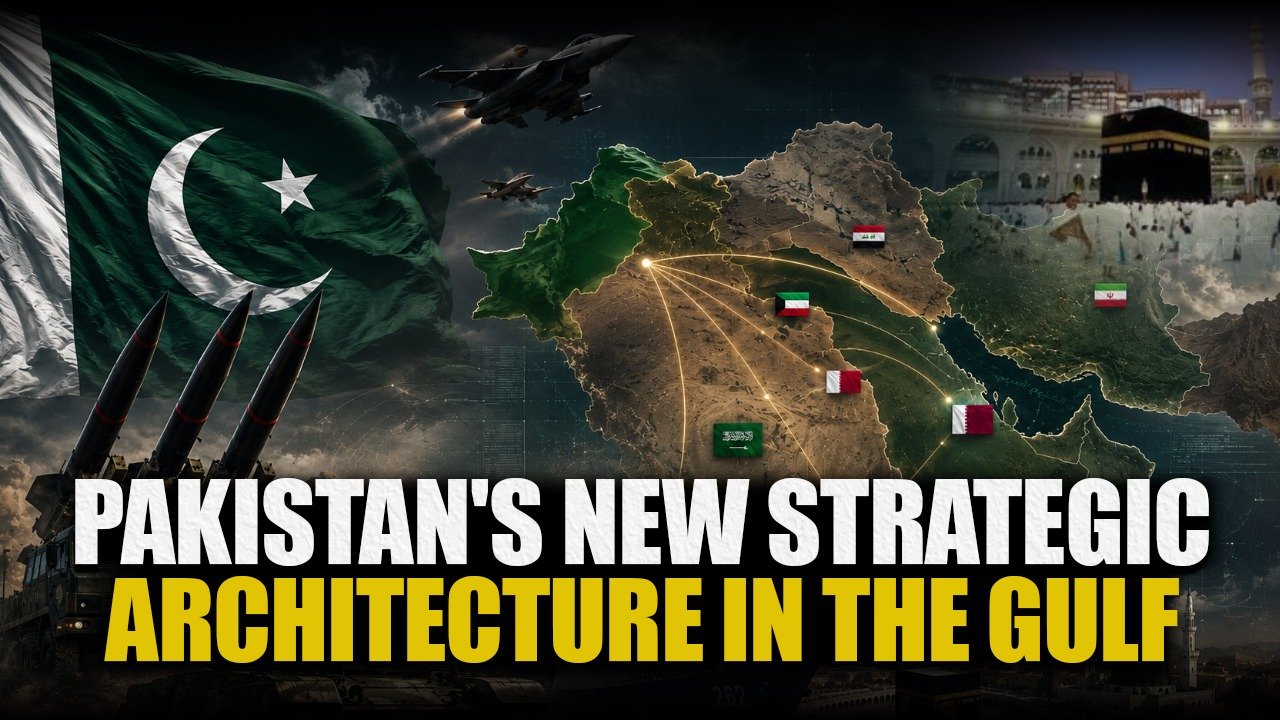
come true in real-time. While many senior analysts and loud voices in the media
were busy claiming that Pakistan was running out of options and losing its grip
on Middle Eastern diplomacy, the Islamabad Center for Education and Peace
(ICEP) put forward a bold narrative: that Pakistan was actually the
best-positioned country to bring everyone back to the table. At the time, some
might have dismissed this as wishful thinking, but the events of the last 48
hours have proven that this analysis was spot on.
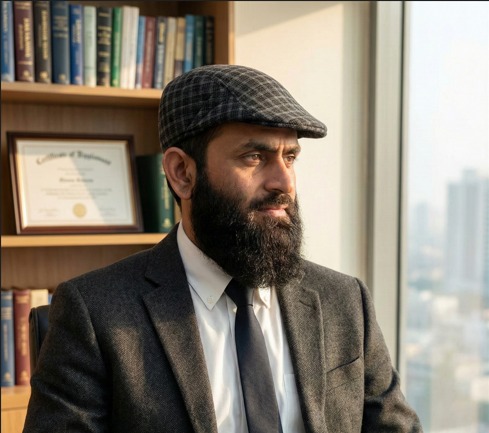
A huge part of this accuracy comes down to the work of
Senior Analyst Abdullah Sayyaf. His ability to see the Peace Actor role of
Pakistan, even when the drums of war were at their loudest shows a level of
foresight that is hard to find. By focusing on facts and historical patterns
rather than just chasing the latest headline, Abdullah and the team at ICEP
have given readers a true, grounded understanding of how diplomacy actually
works behind the scenes. It’s a great reminder that in a world full of noise,
the quietest and well-researched voices
are often the ones worth listening to.
The depth of this report is a direct reflection of the expertise behind
it. As an alumnus of the National Defense University, Islamabad (NDU), with a
specialization in Peace and Conflict Studies, Abdullah Sayyaf brings a rigorous
academic foundation to his field-based insights. Over the last four years, he
has established himself as a sharp voice in conflict analysis, maintaining a
keen focus on the shifting dynamics of the Middle East and a watchful eye on
South Asian security, particularly the Kashmir conflict. This unique
combination of academic grounding and consistent writing has allowed him to cut
through the noise, offering the kind of on-the-spot predictions that only come
from a deep, long-term commitment to understanding the machinery of peace.
https://icep.org.pk/read?Id=123
_6784.jpg)