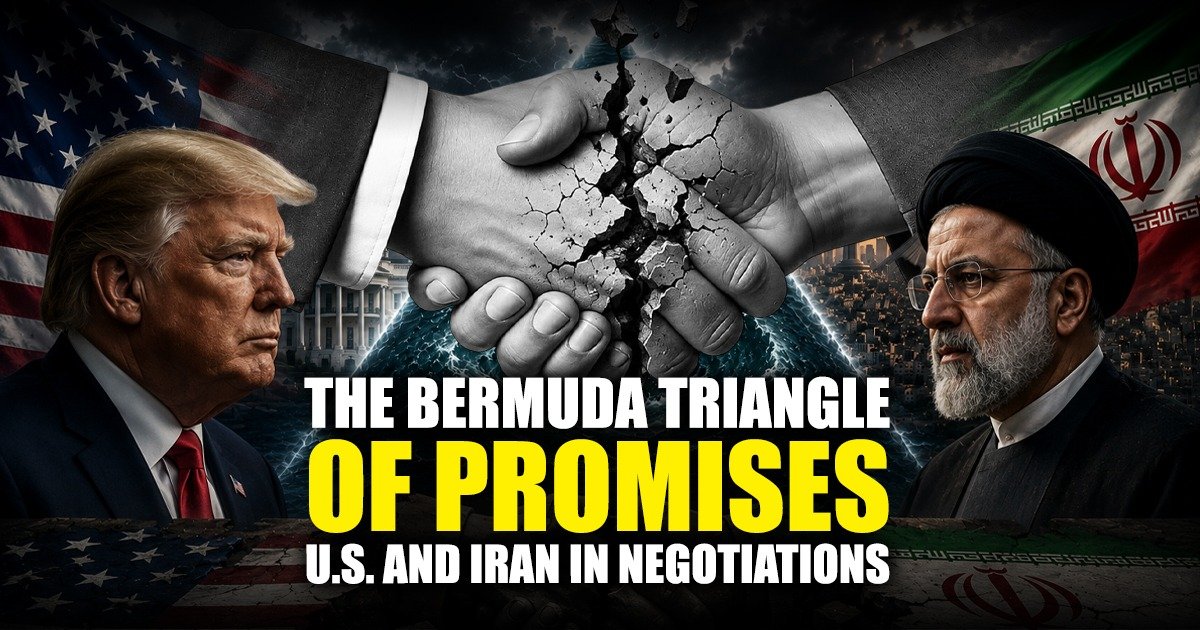

Donald J. Trump claims the truce with Iran is his own victory, although the terms of the memorandum tell a different story. The USA has been using the same military strategy in theMiddle East for two decades starting with the 1991 invasion of Iraq. It uses “decapitation strikes” and eliminates the top-bottom military command and political leadership, paralysing the state before taking over, that requires conventional superiority and the USA does have one. In contrast to this, the USA has always struggled to fight a war waged through asymmetric means, be it ‘Vietnam war, post-2003 Iraq conflict’ or the very recent war with Iran. Iran carved out new security doctrines, shifting from parity of platforms to parity in consequences. It led to the adoption of “Mosaic Defense Doctrine”, “Forward Defense”, and the “fourth successor concept”. The foreign minister of Iran, Abbas Aragchi, was seen to be very confident about the win of Iran even when the Israeli and American strikes were killing the leadership, which was tantamount to the application of these doctrines. America being a democracy, couldn't absorb the shocks of public disapproval, and submitted to a truce and then turned to blow the hornets of victory in order to hide the shame its nation had to bear. Trump linked the deal to stabilisation of energy
markets and the increased traffic in the strait of Hormuz preventing the world from an economic shock. He relented to the Iranian acquisition of missiles, saying that it's for regional parity. Iran is also allowed to charge tax over environmental degradation in the strait of Hormuz that is purely in the economic interest of Iran which might help Iran to restructure its military once economic resources are secured. The world might think the peace deal called "Islamabad Memorandum of Understanding "has ended the war but it's not the case. The peace deal is certainly not an armistice. The USA jeopardized it by saying that the negotiations with Iran in the next 6 weeks about its nuclear program will decide whether the USA backs down or fires at Iran with a stronger might, for which the USA has decided to station its troops in the Middle East even after the truce. The peace is compromised and the world is yet to know to what extent.
Meanwhile, Israeli settlers torched two mosques in the West Bank. The “Hilltop Youth”, a group of Israeli settlers whose aim is to evict the Palestinians from the region, scorched the mosques and wrote graffiti of offensive words on the walls and it happened right after the truce came which begs the question, whether the religious extremism and the state violence in Palestine will accelerate the ominous statement by Trump about reigniting the war. Due to such catalyticactions of Israel, Trump rebuked Netanyahu in a statement about Lebanon that Israel needs restraint and doesn't need to bomb every building a single person of Hezbollah resides in as it complicates things for America as well. Whether it signals a crack in the alliance, we are yet to witness.
The USA planned Israel-Lebanon talks in Washington on June 23-25, to make sure the MoU is not derailed. Previous talks with Lebanon did not include Hezbollah and it thwarted the efforts for a lasting peace. This time, it has been reconsidered and there were to be direct talks with Hezbollah. Trump fears that Israeli aggression will put the world into a recurrent cycle of economic insecurity and has to rein in Netanyahu. For the peace to be sustainable, it's important for America to settle down its disputes with Iranian proxies in the region as well, otherwise a protracted and exhausting war awaits away from the borders of Iran. Iran’s Foreign Ministry spokesman Esmaeil Baghaei has denounced Israel’s latest attacks in Lebanon and the Foreign Minister, Abbas Aragchi, asked for Israel to close war on all fronts if it wants the truce to stay operational.
The peace between the alliance and Iran is fragile considering the geopolitical circumstances and the conditions of the MoU. Israel, which has been killing “one Palestinian child a day” on an average since the Gaza peace deal, is not a reliable state from which a compliance to the commitment can be expected. It has a dark record of breaking its deals with regional states. It is evident that neither Israel nor the USA can fight the type of war Iran offers on the battlefield. It reflects the history, when the allies lacked timely strategy to understand and retaliate with effective force in the event of the Blitzkrieg. The rigid structure of the western military and political strategy and delayed understanding has cost it billions and a period of infamy. It happens again, as the West fails to comprehend the Iranian terms of military strategy and its Machiavellianism, by keeping its country or at least keeping the appearance that its country is united against Israel and America even if the truce is signed. It stays internally cohesive and impenetrable for the Western powers and that lack of porosity, defends it in becoming another Iraq.
As the truce was violated, and recently the attacks came to a pause due to diminishing stockpile of missile interceptors the U.S. has in the Middle
East, it asserts the viability of the argument being made. As the scope of war grows
beyond the start
of Hormuz, both parties need to opt for
constructive measures of diplomacy. The geoeconomic realities seem to overcome
the geopolitical rivalries and being imperceptive to the shift will only cause
irreversible damage to the world economy and stability.
_6784.jpg)