Top Stories
Building Bridges Through Words Understanding Militant Ideologies in Modern Contexts Security: Beyond Walls and Weapons Upcoming Events: Connecting Ideas and People Previous Milestones: Reflecting on Our Journey Fatwas: Reclaiming the Spirit of Ethical Guidance Role of NATO in Conflict Resolution Washington Peace Deal Between Congo and Rwanda Social Justice and Equality in the Qur’ān: Implications for Global Peace The Qurʾānic Concept of Human Equality: An Analysis against Racism and Ethnic Discrimination in Contemporary Societies Reinterpreting Dhimmitude: A Reconsideration of Its Social and Political Functions in the Modern Context How China Is Playing the Long Economic War Ukraine Peace Efforts Advance Cautiously Despite Partial Alignment Among Parties How Pakistan-Libya Military Relations Strategic Outreach, Economic Stakes and Geopolitical Implications Aleppo Clashes as Syria and Kurdish-Led SDF Agree to Ceasefire Across the Border, Pakistani Ulema Stand Against Afghan Girls\' Education Ban Pakistan announce 500 fully-funded scholarships for Bangladeshi students in 8 programs How theTaliban regime threat for reginal peace Women Left Behind in Khyber Pakhtunkhwa’s Education System Sudan’s Civil War: Anatomy of the World’s Largest Humanitarian Crisis Changing Security Architecture in Central Asia Pakistan Leads India on Economic and Peace Indicators in 2026 : Gallup Survey Submerged Classrooms, Long-Term Learning Loss Pakistan Security Report 2025: Terrorism Trends and the Peace Deficit HEC’s MAKTAB Initiative Signals a New Era for Higher Education Southern Yemen Faces Tensions and Urgent Need for Peace IUT Strengthens Education Integrity in Bangladesh Pakistan’s Arms Sales Contracts (2024–25) and the Peace Dimension Pakistan\'s Contribution to UN Peacekeeping Operations for Global Peace Pakistan Enhances Educational Cooperation with Sri Lanka through Scholarship The Growing Defense and Economic Nexus of the Muslim World Charter of Trump’s Board of Peace Pakistan & Myanmar Prioritize Education Strategic Saudi defense agreements are redefining the Middle East\'s security architecture What would be the consequences of the U.S.–Iran Conflict on Pakistan? How Indian Cricket Politics Affect Regional Peace The Kashmir issue remains a central peace and stability in South Asia American Weapons in Afghanistan Are Destabilizing Pakistan Global Education Coalition sixth annual meeting A New Chapter for Pakistan’s Universities: Leadership, Stability, and Vision under the New HEC Chairman The Evolution of the IMCTC into a Global Security Pillar Reintegration Initiative: Analyzing the 2026 IMCTC Engagement in Pakistan Psychosocial Warfare and the IMCTC Peace Journalists Initiative (2026) The Concept of ‘Ummah’ in the Qurʾān: Transcending Race, Tribe, and Ethnicity HEC Reforms Regulation, Defends Academic Freedom Pakistan’s Evolving Role in Fostering Peace and Security on the African Continent Recontextualizing Pakistan’s Role in the Board of Peace War in the Middle East: Measuring the Cost The Silent Bridge: Pakistan’s Strategic Neutrality and the Quest for Middle Eastern Stability The Geography of Escalation: Living in an Age of Permanent Crisis Mapping the Educational Crisis in the Middle East Conflict The Blind Alley of “Epic Fury”; A War with no End game A Pakistani Voice Against Digital Islamophobia: A Landmark Academic Contribution World Eye on Pakistan for Middle East Peace Leading with Truth, ICEP’s Analysis Outlasted the Skeptics on Middle East Crisis World Powers Push for Deal U.S. Presents 15-Point Plan and Iran Responds with 5 Conditions

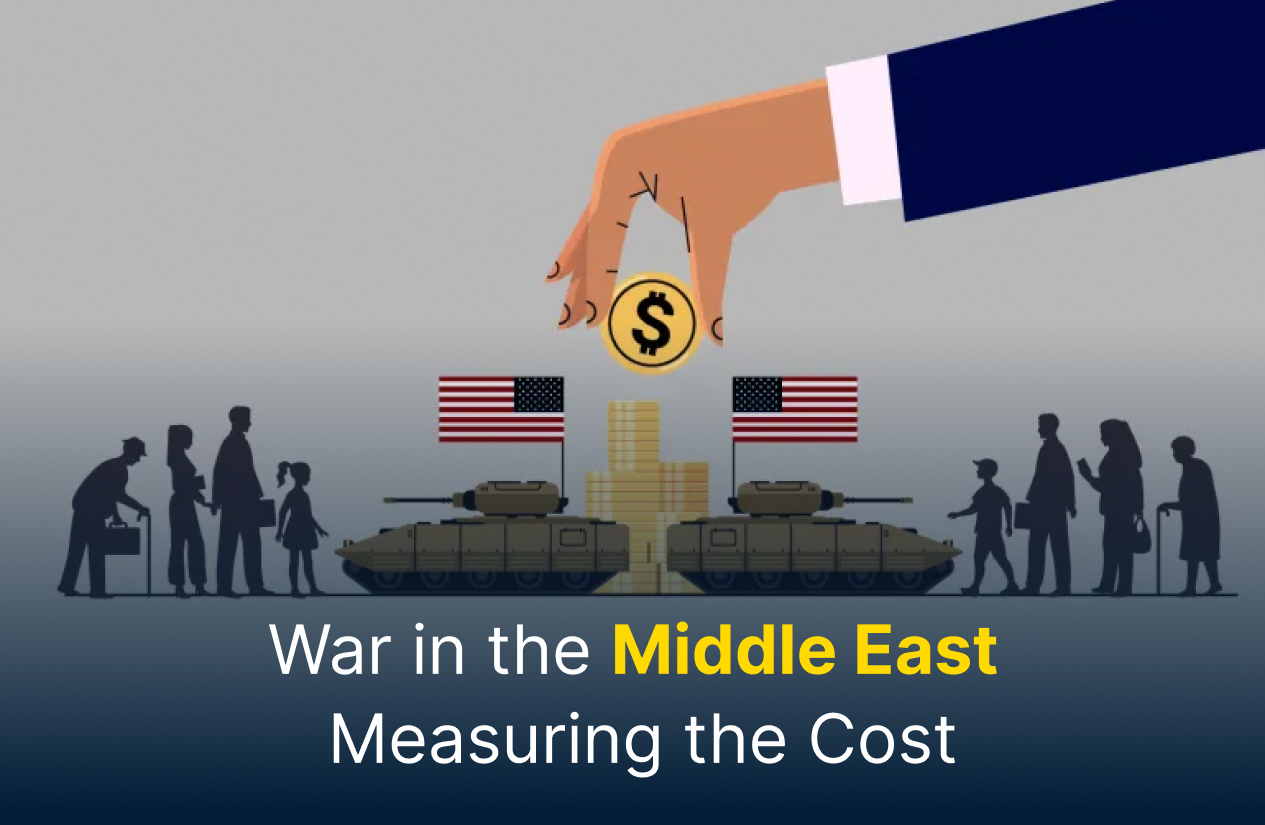
War in the Middle East: Measuring the Cost

The recent military escalations in the Middle East, starting with the coordinated strikes on February 28, 2026, have sent shockwaves far beyond their intended military targets. While the headlines focus on missile counts and strategic sites, the immediate human and social toll is staggering. International agencies like UNICEF have already reported the tragic loss of young lives, including students at schools that were caught in the crossfire. Beyond the physical casualties, millions of civilians across the region are facing sudden displacement and the psychological trauma of a war that has disrupted their daily lives, turning once-vibrant neighborhoods into zones of fear and uncertainty.

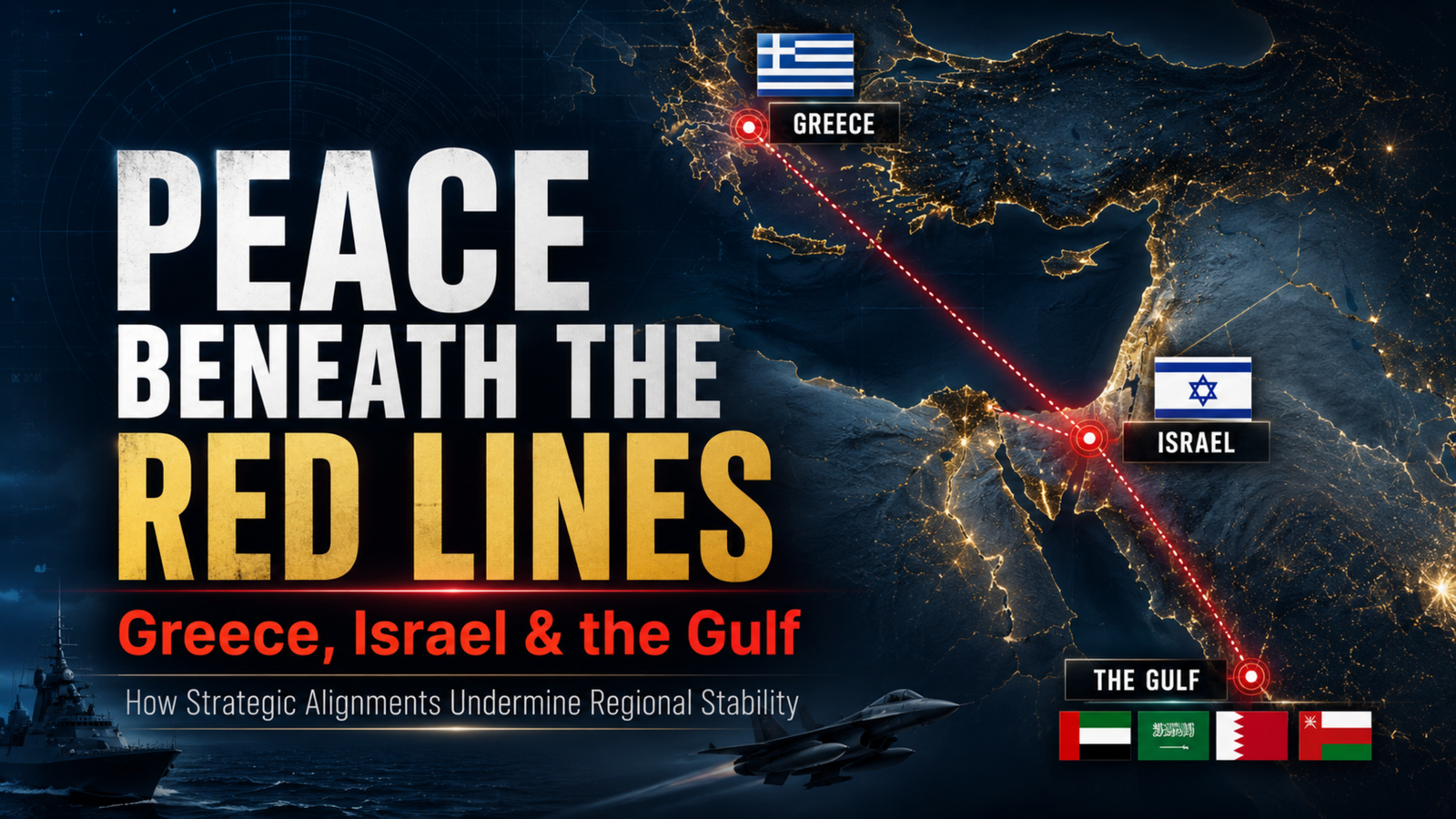
The damage to infrastructure has also taken a high-tech and modern toll that affects everyone, not just those in the military. Strikes have hit essential civilian services, including aviation hubs and cloud-computing facilities, which has grounded hundreds of flights and disrupted the digital tools people rely on for work and communication. This destruction strikes at the "peaceful face" of the Gulf states, which had spent years building a reputation as global centers for tourism, tech, and safe investment. By hitting these symbols of progress, the conflict risks turning a region that was becoming a global safe haven back into a high-risk zone, potentially driving away the foreign investment needed to build future cities and schools.

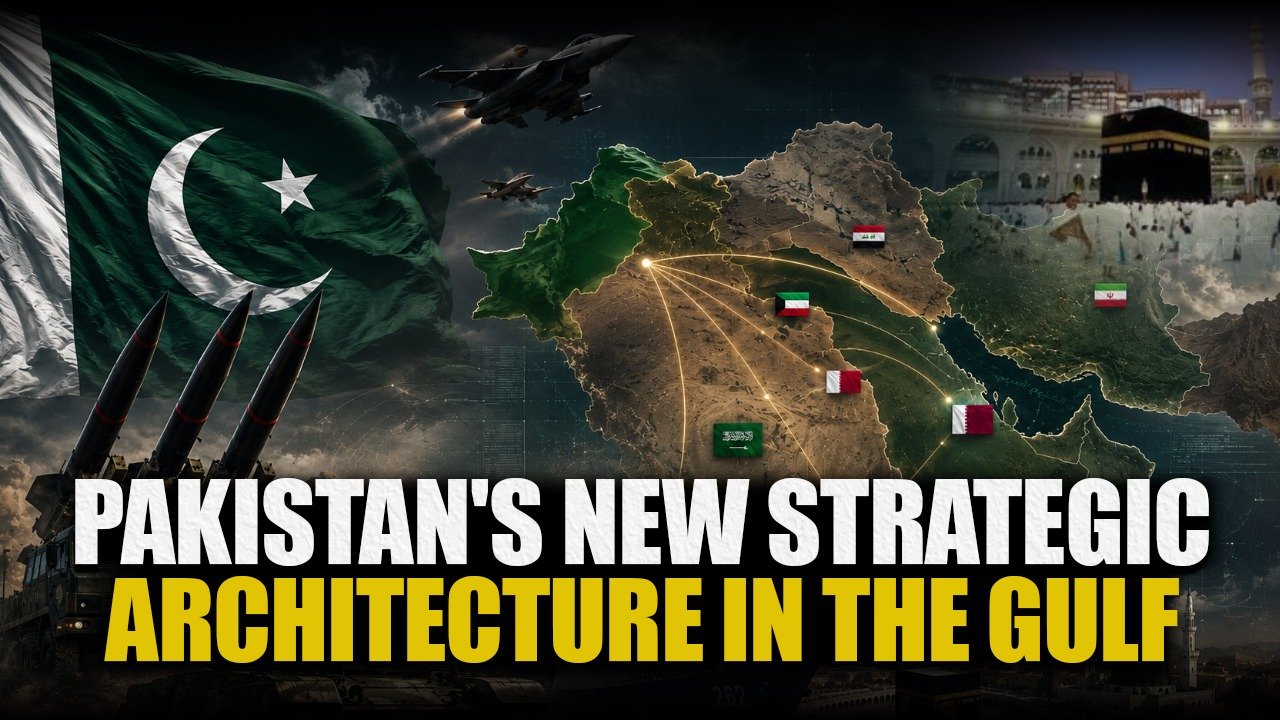
Perhaps most concerning is the "seed of rivalry" being planted between neighbors. Even though many Gulf nations tried to remain neutral and distanced themselves from the initial attacks, the retaliatory strikes on their territories have created deep-seated mistrust. This shift threatens to undo years of diplomatic work aimed at bringing the region together. Instead of a future based on cooperation and shared trade, the region now faces the risk of a long-term "us vs. them" mentality..

In addition, this escalation is forcing a painful shift in national priorities. Governments that were recently focusing their budgets on "Vision" projects like education, healthcare, and green energy are now likely to pivot back toward massive military spending. When a region feels unsafe, human development often takes a backseat. We are likely to see billions of dollars redirected from classrooms and hospitals into missile shields and fighter jets. This budget war means that even after the smoke clears, the next generation may pay the price through fewer opportunities and a lower quality of life, as the focus remains on preparing for the next conflict rather than building a better world.

In Conclusion, the events of the past few days serve as a stark reminder that in the modern era, there is no such thing as a contained conflict. The ripples of instability extend far beyond military perimeters, touching every aspect of civilian life. If the region is to reclaim its status as a global leader in development, all parties must recognize that a military solution will only deepen the humanitarian and economic crisis. The priority must shift immediately toward de-escalation and the pursuit of a sustainable peace. Finding a way to end this war as soon as possible is not just a diplomatic preference; it is a necessity for the survival of the region's progress.