By : Asif Sandhu
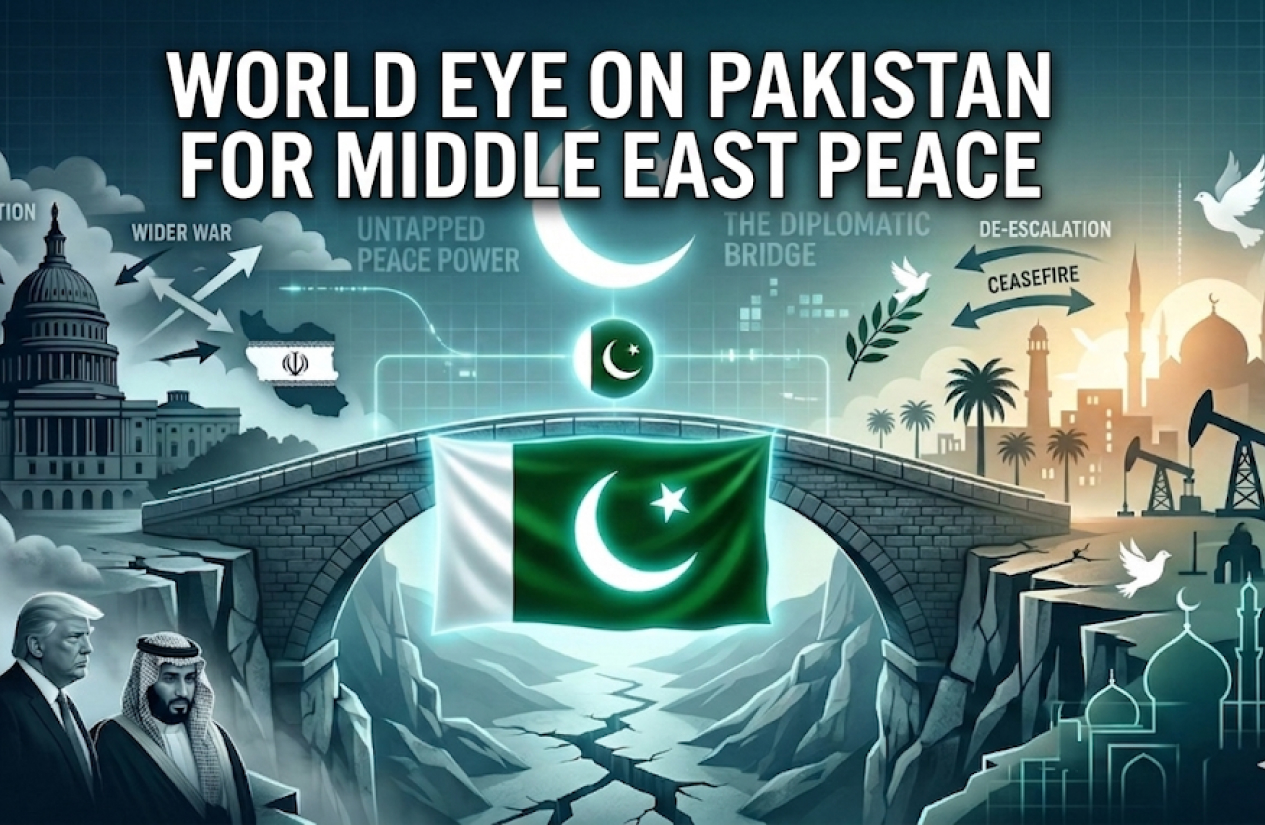
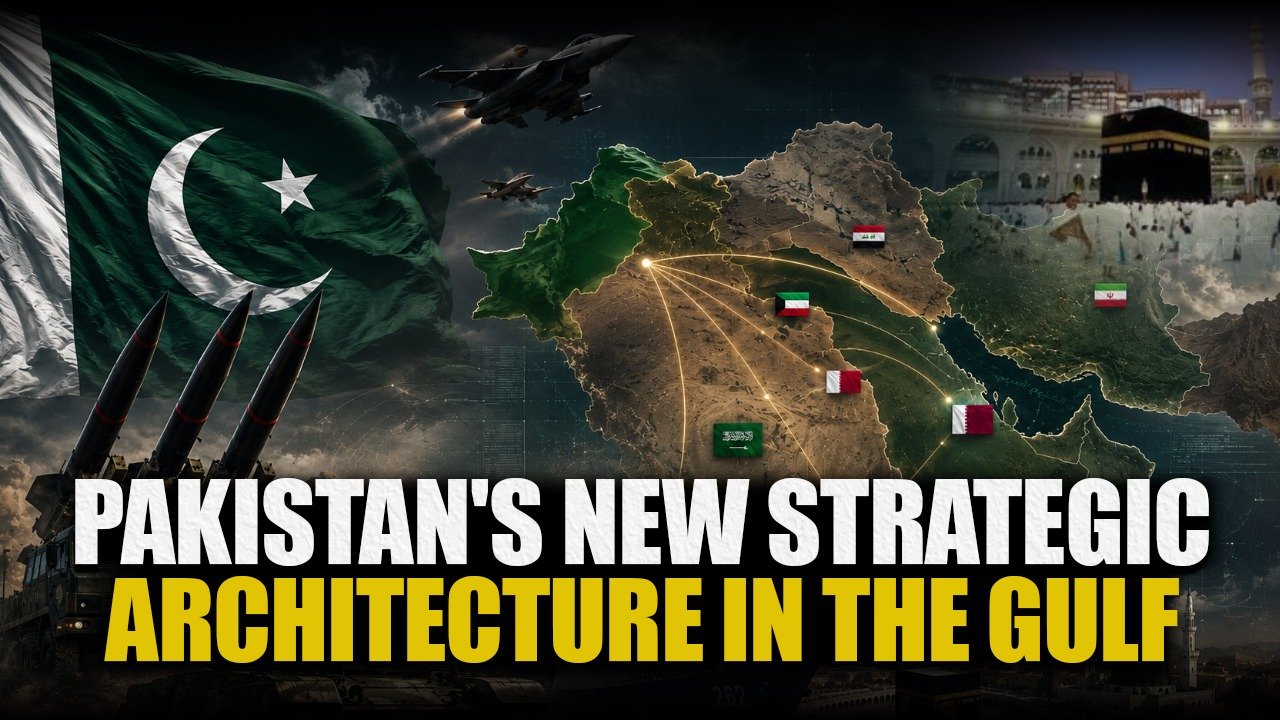
As tensions in the Middle East escalate, there is growing
global interest in Pakistan as a potential peace broker following top-level
contacts between Pakistan and high-level international powers including a
message from the Chief of Army Staff Asim Munir to former U.S. President Donald
Trump as well individual outreach between Islamabad and regional leaders.
Pakistan, according to recent reports, is presenting itself as a neutral
diplomatic conduit in attempts to defuse tensions among the United States, Iran
and Israel.
Reports in international media stated that the Asim Munir
call with Donald Trump came amid crucial time of Middle East crisis phase when
fear of wider war was impacting global energy security and regional stability.
Diplomatic contacts that have involved Pakistan, Egypt, Oman and Turkey have
been part of back-channel efforts to achieve both a cease-fire and negotiations
between Washington and Tehran.
Pakistan’s involvement, analysts say, reflects its
decades-long policy of pursuing balanced relations with both Western powers and
Muslim countries that allows Islamabad to help defuse tensions when they flare
in the region. Pakistan has had close relations with Saudi Arabia, Iran and the
United States over decades, so it is able to talk to all sides during a crisis.
Pakistan’s current diplomatic efforts are not a new phenomenon but follow its long-standing tradition of contributing to the process of international peace. Ever since it achieved independence, Pakistan has tried several times to serve as a bridge between states in conflict, especially those within the Muslim world and the Middle East. Pakistan has been one of the biggest contributors to United Nations peacekeeping missions, taking part in dozens of operations across Asia, Africa and Europe. The Pakistani troops has served on cash programs in more than forty UN missions and has made a great contribution to peacekeeping in conflicting areas.
Pakistan also, historically, attempted mediation for different regional tensions like relaxation of Arabia-Iran tension, displacing diplomacy during Iran-iraq war and so on towards promoting dialogue in Afghanistan as well as in the larger Muslim world. Such efforts bolstered Pakistan’s reputation as a country that was willing to work with others toward political solutions, not military ones. And foreign policy experts say that Pakistan’s position as the world’s only nuclear-armed Muslim nation, combined with its strategic relations to Western and Islamic states alike, often puts it in a role where it can broker conversations when other countries cannot.
The Middle East crisis continues to cause global anxiety due
to its potential ramifications on oil supply, international trading routes and
regional stability. According to reports, Pakistan has also offered to host
talks or help with diplomatic communication as a way of diffusing the
situation. Success is not assured, but international observers say Islamabad’s engagement
reflects a growing demand for neutral intermediaries in an increasingly
polarized world.
Pakistan’s stillness avoiding direct military involvement while promoting dialogue has allowed it to sustain credibility with disparate regional actors. Security analysts also note that. This symmetrical policy has enabled Pakistan to maintain working relations with rival powers, among them Iran, Saudi Arabia and the United States. It is rarely so, and it has never been so with the PCR in 2023.
The Islamabad Center for Peace and Education, in a short statement, said Pakistan’s recent diplomatic overture showed the country’s active role needed for global stability. Pakistan’s history in UN peacekeeping, mediation in regional conflicts and a balanced foreign policy gives it the credibility required to contribute to peace efforts in the Middle East, according to the Center. The Center held that the current crises need dialogue, not confrontation and countries like Pakistan hold a key role in fostering trust between conflicting powers. The Center argued that sustainable peace in the Middle East and cessation of conflict will depend on inclusive negotiations, respect for sovereignty and inclusion of neutral states capable of facilitating communication between opposing sides.
_6784.jpg)