_2201.jpeg)

Islamabad : Amid
rising tensions in the Middle East and growing fears of a wider regional
conflict diplomatic efforts have intensified after the United States reportedly
presented a 15-point framework aimed at de-escalation and a possible long-term
agreement with Iran while Tehran responded with five key conditions of its own.
According to reports published by Reuters, Associated Press and Al Jazeera, the
proposals were shared through indirect negotiations involving regional
mediators in an attempt to prevent further military confrontation and revive a
political settlement on nuclear and security issues.
U.S.
15-Point Framework for De-escalation
According to
Reuters News Agency, U.S. officials proposed a comprehensive set of conditions
focused on nuclear restrictions, regional security, and sanctions policy. The
reported points include:
1. Iran must
permanently abandon any attempt to develop nuclear weapons.
2. Uranium enrichment
must be limited to civilian levels under international supervision.
3. Key nuclear
facilities including Natanz and Fordow to be placed under strict monitoring.
4. Full access for
International Atomic Energy Agency (IAEA) inspectors to all sites.
5. Transfer or
neutralization of highly enriched uranium stockpiles.
6. Restrictions on
Iran’s ballistic missile development program.
7. End of military
support for armed groups in the region.
8. Halt to weapons
transfers to non-state actors.
9. Guarantee of
free navigation in the Strait of Hormuz.
10.Commitment to
regional de-escalation with neighboring countries.
11.Nuclear
activities limited strictly to peaceful purposes.
12.Gradual lifting
of sanctions if compliance is verified.
13.Possibility of
international cooperation in civilian nuclear energy.
14.Agreement on
temporary ceasefire during negotiations.
15.Framework for
long-term normalization of economic relations.
Diplomatic
sources quoted by Associated Press (AP) said the proposal reflects Washington’s
attempt to combine security guarantees with economic incentives to prevent a
wider war.
Iran’s
Five-Point Response
According to
Al Jazeera, Iranian officials rejected parts of the U.S. framework and
presented five core conditions for any agreement:
1. Immediate and
complete removal of U.S. economic sanctions.
2. Recognition of
Iran’s right to peaceful nuclear enrichment.
3. Security
guarantees against future military attacks.
4. Reduction of
foreign military presence in the Gulf region.
5. Recognition of
Iran’s regional role and security interests.
Iranian
diplomats reportedly stated that any deal must respect the country’s
sovereignty and cannot be based solely on security demands from Washington.
International
relations experts believe the gap between the two positions remains significant.
Dr. Michael Hanna, a Middle East analyst quoted by AP, said the U.S. plan is
designed to ensure long-term nuclear restraint, while Iran’s response shows
that Tehran is primarily concerned with sanctions relief and security
guarantees.
Similarly,
political analyst Sara Youssef told Al Jazeera that both sides are negotiating
from positions shaped by years of mistrust, making compromise difficult but not
impossible. She added that the inclusion of economic incentives in the U.S.
proposal could open the door for future talks if military escalation is
avoided.
Diplomatic
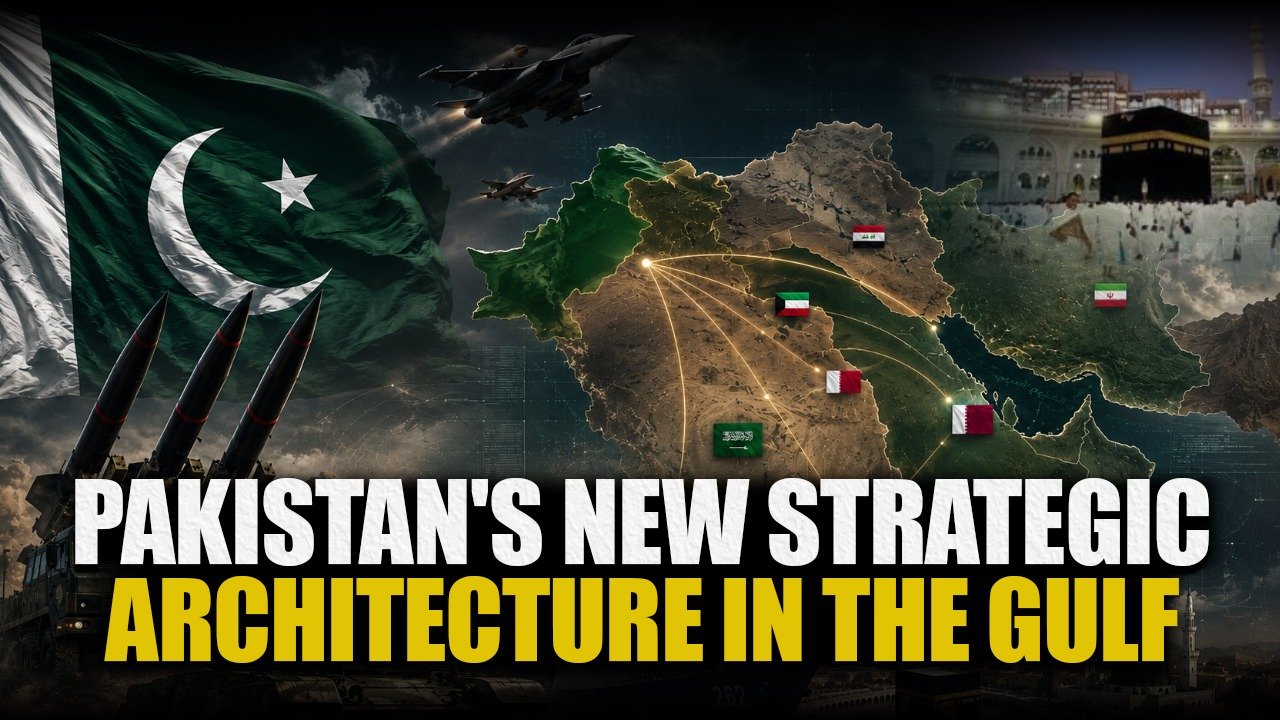
observers say Pakistan may play a constructive role in reducing tensions, as
Islamabad maintains working relations with both Washington and Tehran. In
recent months, Pakistani leadership has emphasized dialogue and regional
stability in international forums, and analysts believe Pakistan could support
mediation efforts through the Organization of Islamic Cooperation (OIC) and
bilateral contacts. Pakistan’s balanced foreign policy and its past involvement
in peace initiatives make it a potential bridge between rival sides.
The Islamabad Center for Peace and Education welcomed the ongoing diplomatic efforts and described the exchange of proposals as a positive step toward conflict prevention. In a statement, the center said that sustainable peace in the Middle East can only be achieved through dialogue, mutual respect, and recognition of security concerns of all parties. The organization emphasized that military confrontation would deepen instability in the region, while negotiated agreements could open the way for cooperation in education, development, and regional integration. The center also urged regional countries, including Pakistan, to continue supporting peaceful solutions and confidence-building measures to avoid a large-scale war.

_6784.jpg)