The
recent military escalations in the Middle East, starting with the coordinated
strikes on February 28, 2026, have sent shockwaves far beyond their intended
military targets. While the headlines focus on missile counts and
strategic sites, the immediate human and social toll is staggering. International agencies like UNICEF have already reported the
tragic loss of young lives, including students at schools that were caught in the
crossfire. Beyond the physical casualties, millions of civilians across
the region are facing sudden displacement and the psychological trauma of a war
that has disrupted their daily lives, turning once-vibrant neighborhoods into
zones of fear and uncertainty.
The damage to infrastructure has
also taken a high-tech and modern toll that affects everyone, not just those in
the military. Strikes have hit essential civilian
services, including aviation hubs and cloud-computing facilities, which has
grounded hundreds of flights and disrupted the digital tools people rely on for
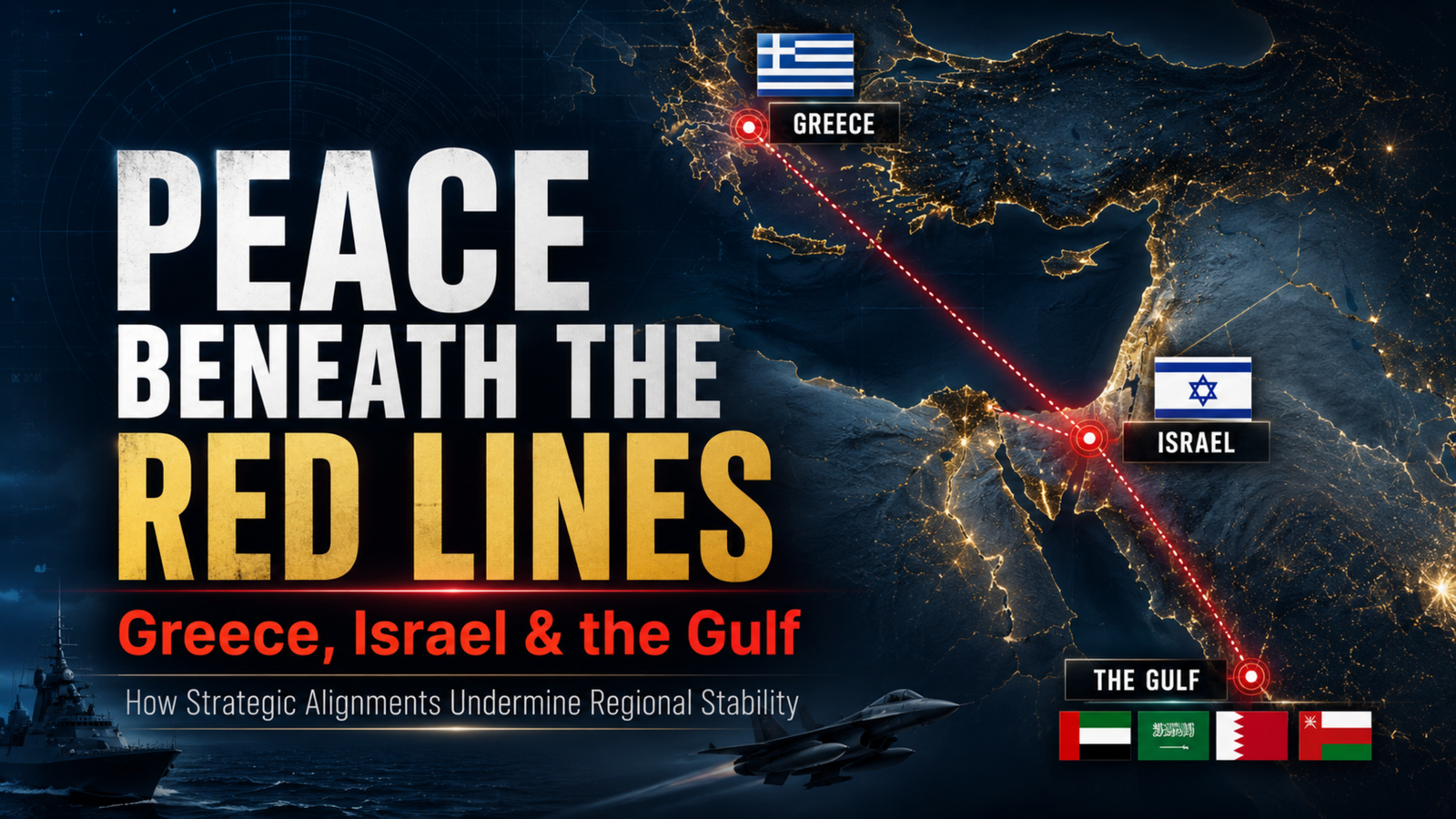
work and communication. This destruction strikes at the "peaceful
face" of the Gulf states, which had spent years building a reputation as
global centers for tourism, tech, and safe investment. By
hitting these symbols of progress, the conflict risks turning a region that was
becoming a global safe haven back into a high-risk zone, potentially driving
away the foreign investment needed to build future cities and schools.
Perhaps most concerning is the
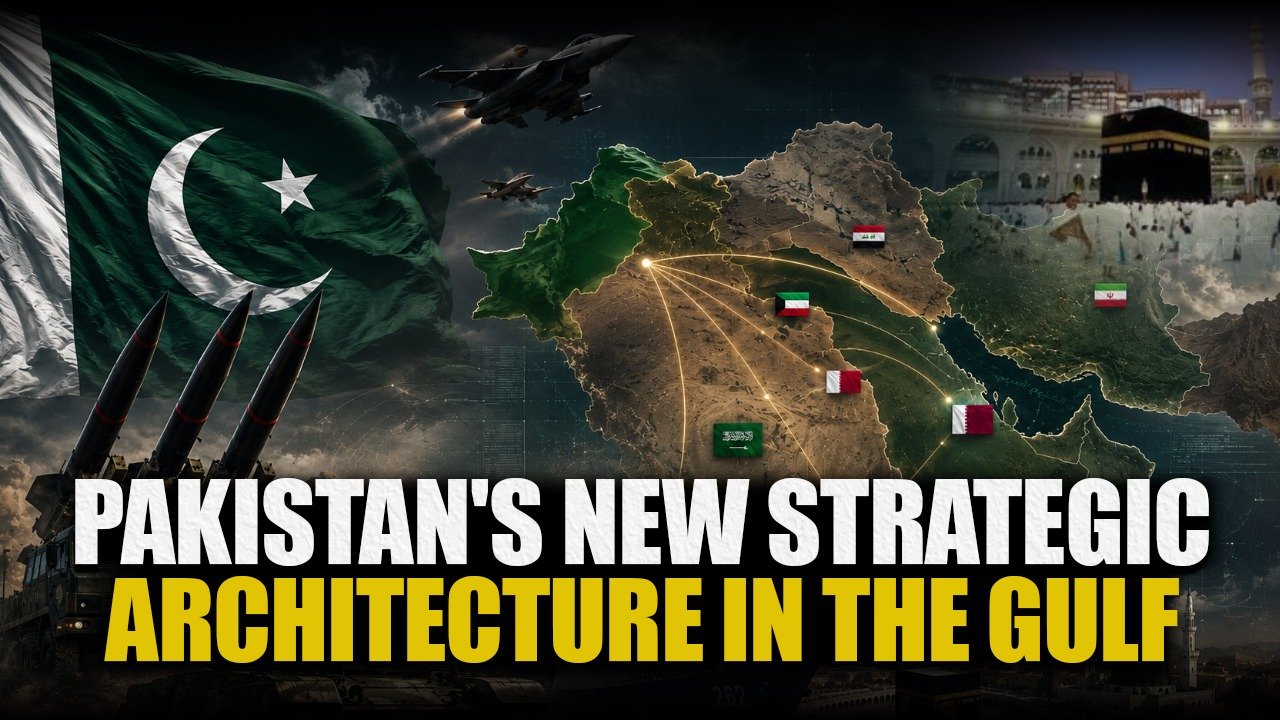
"seed of rivalry" being planted between neighbors. Even though many Gulf nations tried to remain neutral and
distanced themselves from the initial attacks, the retaliatory strikes on their
territories have created deep-seated mistrust. This shift threatens to
undo years of diplomatic work aimed at bringing the region together. Instead of
a future based on cooperation and shared trade, the region now faces the risk
of a long-term "us vs. them" mentality..
In addition, this escalation is
forcing a painful shift in national priorities. Governments that were recently
focusing their budgets on "Vision" projects like education,
healthcare, and green energy are now likely to pivot back toward massive
military spending. When a region feels unsafe, human development often takes a
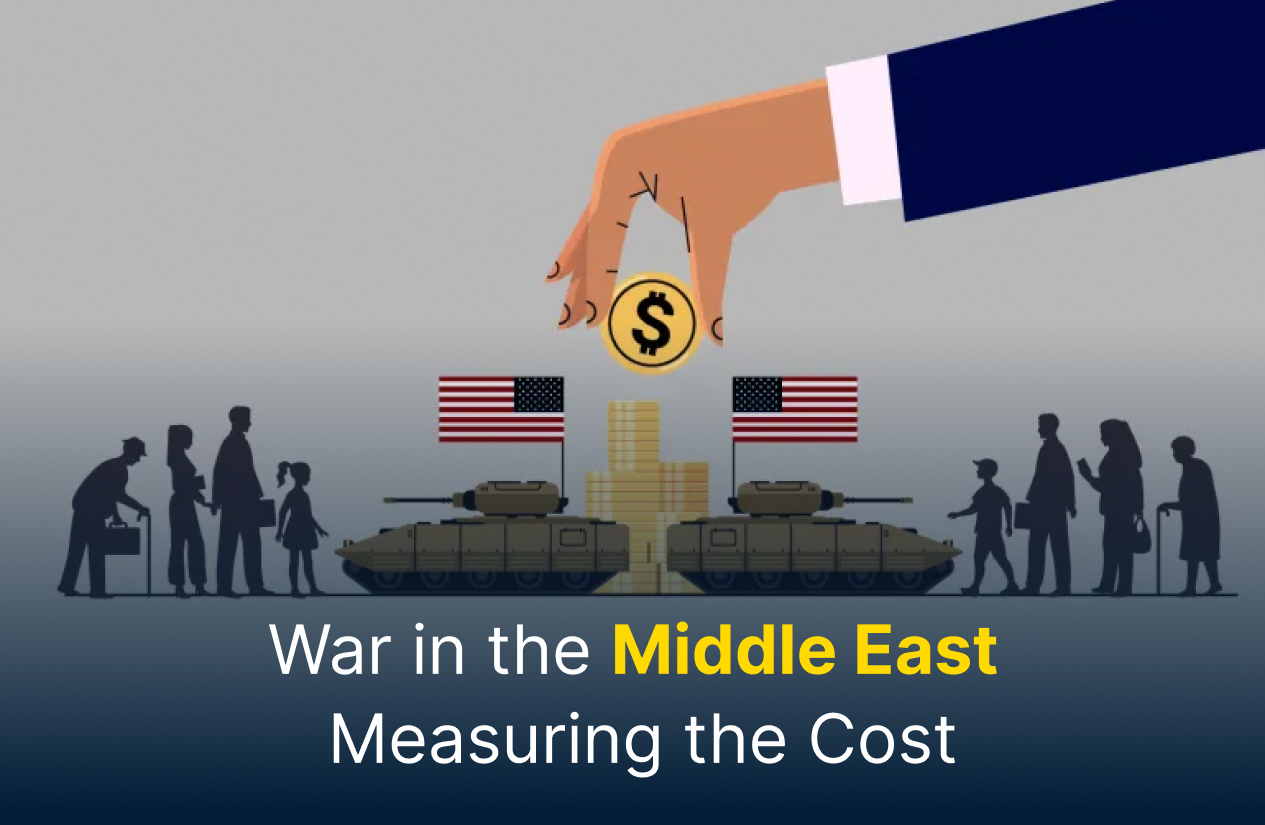
backseat. We are likely to see billions of dollars redirected from classrooms
and hospitals into missile shields and fighter jets. This budget war means that
even after the smoke clears, the next generation may pay the price through
fewer opportunities and a lower quality of life, as the focus remains on
preparing for the next conflict rather than building a better world.
In
Conclusion, the events of the past few days serve as a stark reminder that in
the modern era, there is no such thing as a contained conflict. The ripples of
instability extend far beyond military perimeters, touching every aspect of
civilian life. If the region is to reclaim its status as a global leader in
development, all parties must recognize that a military solution will only
deepen the humanitarian and economic crisis. The priority must shift
immediately toward de-escalation and the pursuit of a sustainable peace.
Finding a way to end this war as soon as possible is not just a diplomatic
preference; it is a necessity for the survival of the region's progress.
_6784.jpg)